


 Deutsch
 Português
Powerline Inspection Drones
Keeping power lines working is very important. But checking them the old way can be hard, slow, and risky. A Powerline inspection drone makes this job easier, safer, and faster.
These powerline inspection drones use smart cameras and tools to check power lines from above. They save time, money, and effort, making aerial power line inspection better for everyone. With these drones, power companies can find and fix problems before they worsen.
Why Use Drones for Power Line Inspection?
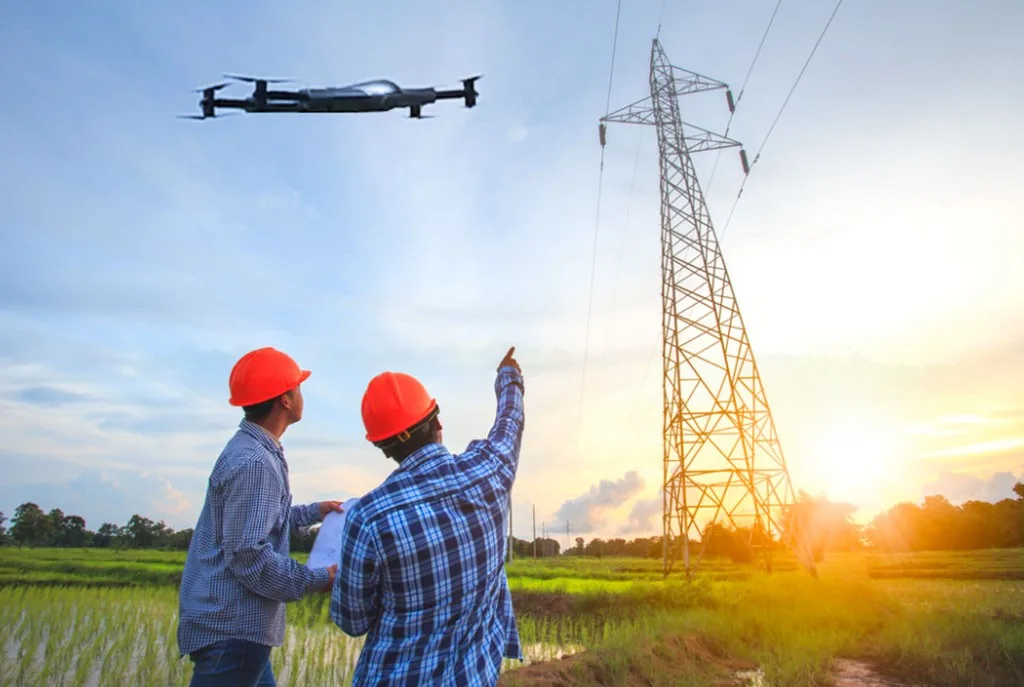
Checking power lines is not easy. The old way means:
- Climbing tall poles or using helicopters, which can be dangerous
- Spending a lot of money on workers and tools
- Struggling to reach power lines in far-away or rough areas
A powerline inspection drone fixes these problems by:
- Keeping Workers Safe: No need for climbing or risky inspections
- Saving Money: Drones cost less than helicopters and other tools
- Doing a Better Job: They take clear pictures and collect detailed data
With drone power line inspection, power companies can quickly find problems, save money, and keep power lines running smoothly.
Benefits of Powerline Inspection Drones
Using drones for aerial power line inspection has many advantages. Here’s why more companies are choosing drones:
1. Better Safety
Drones do the dangerous work of checking power lines. Workers can stay on the ground while drones fly close to inspect the lines. Power line drones keep workers safe and reduce risks.
2. Faster Work
A power line drone can check many miles of power lines in a short time. Traditional methods take much longer, especially in hard-to-reach places.
3. Lower Costs
Old methods like helicopters or large crews are very expensive. With aerial power line inspection, fewer people and tools are needed, saving money for the company.
4. Great Data
Power line drones collect clear and detailed information. They use cameras, thermal sensors, and LiDAR to find cracks, rust, overheating, or trees too close to power lines.
5. Easy Access
Power lines in mountains or forests can be hard to reach. Drones can fly anywhere, making inspections in remote areas simple.
How Does Aerial Power Line Inspection Work?
Smart Cameras and Sensors
Drones use tools like thermal cameras, LiDAR, and high-resolution imaging. These tools find problems such as overheating wires, broken parts, or loose connections.
Smart Data Analysis
The drone sends pictures and data to computers. These computers use smart programs (AI) to find problems and decide what needs fixing first.
Instant Reports
Drones can send live videos or quick reports. This helps maintenance teams act fast to prevent bigger problems.
What Can Power Line Drones Do?
Powerline inspection drones are good for more than just checking power lines. They can also help with:
- Emergency Inspections: Drones can quickly check for damage after a storm or fire.
- Tree Management: Trees too close to power lines can cause outages. Drones help spot these trees.
- Upgrades and Repairs: Before fixing or upgrading power lines, drones provide clear data to help plan the work.
With drones, power companies can work smarter and keep the power running, even in emergencies.
Why Choose ZenaDrone 1000 for Power Line Inspection?
ZenaDrone 1000 is a leader in drone technology. We make drone power line inspection easy and reliable. Here’s why so many companies choose us:
- Advanced Tools: Our drones use the best cameras, sensors, and smart programs.
- Custom Plans: Every power line is different. We make plans that fit your needs.
- Trusted Results: Companies trust ZenaDrone 1000 to keep their power lines safe and working.
Our innovation of reliable drone power line inspection is built for tough jobs and delivers results you can count on.
How Powerline Inspection Drones Help Energy Companies
Energy companies face big challenges, like keeping power lines safe and working all the time. A drone powerline inspection helps by:
- Saving Time: Faster inspections mean less downtime for repairs.
- Preventing Problems: Drones find issues early, so they don’t turn into big failures.
- Cutting Costs: Drones cost less than hiring big teams or helicopters.
These benefits make drones a smart choice for any energy company.
Frequently Asked Questions (FAQs)
A powerline inspection drone is a flying robot that checks power lines using cameras and sensors.
Drones make inspections safer and faster by flying to hard-to-reach places and collecting data.
Yes! Drones can spot issues like rust, overheating, and nearby trees.
Yes. Drones save money by cutting down on helicopters and big inspection crews.
ZenaDrone 1000 uses smart tools and custom plans to give you the best results for your power lines.
Keeping power lines safe and working is important. With powerline inspection drones, companies can do this job faster, safer, and cheaper. ZenaDrone 1000 offers top tools and smart solutions for aerial power line inspection. Let us help you take care of your power lines with the latest technology.
Contact us at ZenaDrone 1000 today to book a demo!
Book a Demo
Experience ZenaDrone in action! Fill out the form below and our team will be in touch to set up a demo schedule.