



Crop Insurance Services for Modern Agriculture
Agriculture is highly unpredictable, with farmers facing risks like extreme weather, pests, diseases, and market fluctuations. As a result, crop insurance services are essential for protecting against financial losses.
However, traditional methods rely on manual inspections and delayed reporting, making the process slow and less accurate. Today, AI and drone technology are transforming crop insurance into a faster, data-driven system.
ZenaDrone enhances agricultural insurance with advanced drones and intelligent analytics, enabling accurate assessments and improved efficiency.
What Are Drone-Based Crop Insurance Services?
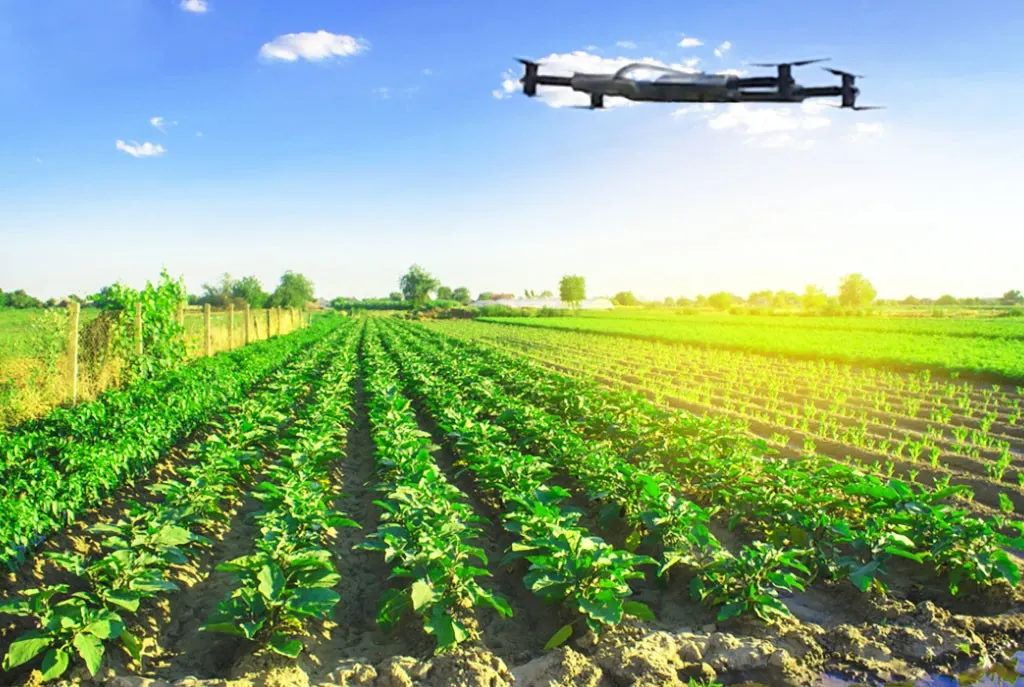
Drone-based crop insurance services use unmanned aerial vehicles (UAVs) equipped with advanced sensors to collect real-time agricultural data. Then, artificial intelligence (AI) analyzes this data to support the entire insurance lifecycle.
These services include:
- Pre-season risk assessment
- Crop monitoring during growth
- Post-event crop damage assessment
- Data-driven crop insurance claim processing
As a result, insurers improve accuracy, reduce manual work, and enhance operational efficiency.
Role of Drone Technology in Crop Insurance
Drone technology is transforming agricultural insurance services by enabling faster and more precise data collection. ZenaDrone integrates AI-powered drones with intelligent analytics to improve decision-making for insurers and farmers.
With drone-based systems:
- Insurers capture high-resolution aerial imagery
- AI analyzes crop health and field conditions
- Real-time insights improve risk evaluation
- Data supports faster insurance claim processing
Therefore, drone technology makes crop insurance more efficient, transparent, and scalable.
The Shift Toward Smart Crop Insurance
In the past, crop insurance depended heavily on manual field inspections. Consequently, this approach caused delays and increased the chances of human error. In addition, it reduced transparency in the claims process.
Now, smart crop insurance uses digital tools, satellite imagery, and drone-based monitoring. As a result, insurers and farmers can access accurate, real-time insights and make better decisions.
Key Capabilities of AI-Powered Crop Insurance
Data-Driven Risk Assessment
Drone imagery and AI analytics help insurers evaluate field conditions and identify potential risks. Therefore, they can build more accurate risk profiles.
Continuous Crop Monitoring
Aerial monitoring tracks crops throughout the growing season. As a result, it becomes easier to detect stress, disease, or environmental impact early.
Precision-Based Insurance Models
Using real-time data, insurers can design customized plans based on actual field conditions instead of regional estimates
Advanced Imaging Technologies
Technologies such as NDVI imaging, thermal sensors, and multispectral cameras provide deeper insights into crop health and field variability.
Crop Damage Assessment & Claims Process
Drone technology improves how insurers perform crop damage assessment and verify losses. Instead of relying on manual inspections, they use structured data and automated analysis.
How It Works
- Drones capture high-resolution aerial images
- AI analyzes the data to detect damage and estimate loss
- Geo-tagged reports provide verifiable evidence
- Insurers process claims based on accurate insights
Because of this structured workflow, the process becomes faster and more transparent. In addition, it reduces disputes and ensures fair compensation.
Crop Insurance Coverage with Modern Technology
Drone-powered systems enable more flexible and reliable insurance coverage.
Weather-Based Crop Insurance
Drones and data analytics improve the assessment of droughts, floods, and storms. Therefore, insurers can validate weather-related claims more accurately
Yield & Revenue Protection
AI-driven insights help predict crop performance. As a result, insurers can offer better coverage for both production and income.
Accessibility for Small Farmers
Automation reduces operational costs. Consequently, insurance becomes more affordable for small-scale farmers.
Benefits of Drone-Based Crop Insurance
- Faster claim processing
- Improved accuracy in damage assessment
- Reduced operational and inspection costs
- Enhanced transparency with data-backed evidence
- Better decision-making for farmers and insurers
Stakeholders Benefiting from Drone Insurance
Farmers: They receive timely and fair compensation. In addition, they gain better insights into crop conditions.
Insurance Companies: They improve efficiency and reduce operational risks. As a result, they can process claims more effectively.
Governments: They use accurate agricultural data for planning and disaster management.
Why Choose ZenaDrone
ZenaDrone provides advanced solutions designed to modernize crop insurance through innovation and precision technology.
Key Features:
- AI-powered drone systems
- High-resolution imaging and sensors
- Precision GPS mapping
- Scalable solutions for farms of all sizes
The Future of AI-Powered Crop Insurance
The future of crop insurance is driven by automation and real-time data. Emerging technologies will enable:
- Fully automated claim processing
- Real-time insurance models
- Greater use of AI and machine learning
- Increased accessibility for farmers worldwide
Frequently Asked Questions (FAQs)
What is crop insurance for small farmers?
Crop insurance for small farmers protects against financial losses caused by drought, floods, pests, and crop failure. It ensures farmers receive compensation when yields are damaged. With solutions like ZenaDrone crop monitoring, insurers can use drone and satellite data to deliver faster, more accurate, and scalable insurance coverage.
How are crop insurance claims assessed?
Crop insurance claims are assessed using field inspections, satellite imagery, and drone-based crop surveys. Modern insurers use AI and aerial data to analyse crop damage, verify claims, and reduce fraud. With drone-powered assessment, claims can be processed faster and with greater accuracy.
How do drones help in crop insurance?
Drones play a key role in crop insurance by providing high-resolution aerial crop monitoring and damage assessment. ZenaDrone solutions capture real-time field data, detect crop stress, and generate geo-tagged reports. This enables insurers to validate claims quickly and improve loss estimation accuracy.
What regulations apply to using drones for crop insurance?
Drone operators must abide by the FAA regulations, including operator licensing and airspace restrictions. Also, acknowledge and follow the local rules of where the drone will be deployed.
What is AI-powered crop insurance assessment?
AI-powered crop insurance assessment uses machine learning, drone imagery, and remote sensing to detect crop damage and estimate yield loss automatically. ZenaDrone integrates AI with aerial data to deliver fast, consistent, and scalable claim assessments, helping insurers reduce costs and improve decision-making.
Experience ZenaDrone in action! Fill out the form below and our team will be in touch to set up a demo schedule.
Thank you for your message. It has been sent.