



What Is Waterlogging in Agriculture
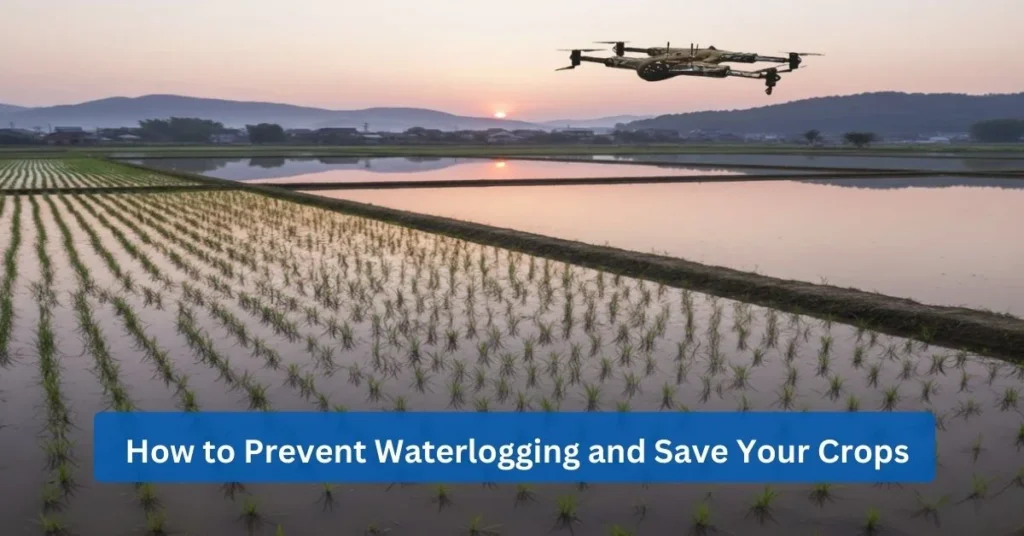
Waterlogging in agriculture may be a silent problem, yet it’s one of the serious problems farmers can face, since it affects millions of hectares of land for agriculture in the whole world. We all know that water is life; hence, its existence is essential not just directly to us but also for other living organisms, like plants. However, too much water in the soil can be just as damaging as too little. When fields stay saturated for long periods, the result is a survival struggle for the crops, yields decline, deterioration of the soil’s health, and farm profitability suffers.
Simple Definition of Waterlogging
To simplify the meaning of waterlogging, it represents a condition where excess water fills soil pores, which results in air particles being forced out from the root zone. Plant roots need oxygen to function properly because their breathing process gets disrupted and their ability to absorb nutrients decreases, which leads to plant death. The problem occurs most frequently in agricultural areas that have inadequate drainage systems, in floodplain regions, in low-lying farm fields, in areas that receive excessive rainfall or monsoon conditions, and in areas that use inefficient irrigation methods.
In other words, the waterlogged soil definition describes soil that holds too much water for too long, disrupting normal plant growth.
What Happens During Waterlogging?
Soil pores normally contain both water and air under standard conditions. The waterlogging event occurs when:
- Excess rainfall, irrigation, and a high water table problems
- Oxygen diffusion into the root zone stops.
- Crop roots experience oxygen deficiency.
- Root respiration slows and stops
- Nutrient uptake becomes inefficient.
Saturated soil conditions cause crops to show stress through yellowing and stunted growth. The condition of crops in saturated soil shows stress because their waterlogged state prevents proper root growth.
Why Crops Cannot Breathe
Root crops are dependent on oxygen for the process of respiration. When standing water persists:
- Roots suffocate
- Fine root hairs die
- Root systems weaken and rot.
- Plants fail to absorb nitrogen, phosphorus, and potassium.
Thus, waterlogging poses a dire threat to the farms, particularly when it occurs during those sensitive growth durations.
What Causes Waterlogging in Agricultural Fields?
The causes of waterlogging in agriculture emerge from two distinct categories, which include natural elements and human-based activities.
- Natural factors that lead to this problem include excessive rainfall and extended periods of wet weather and flooding that affect low-lying regions and floodplain zones and high groundwater levels, which maintain constant soil saturation.
- Human activities create drainage systems with design flaws, and they apply too much water, and their drainage systems and canals become blocked, and their land-leveling practices stop water from draining away from their agricultural areas.
Role of Heavy Rainfall and Floods
Rainfall-induced waterlogging is common in regions with:
- The monsoon rainfall
- Intense storms that are connected to climate variability
- Poor surface runoff systems
When rainfall exceeds the soil’s infiltration capacity, water accumulates on the surface and saturates the soil.
Soil Type and Compaction Issues
Certain soil types show higher vulnerability to waterlogging situations.
- The tiny pores of clay soils create slow drainage.
- Compacted soils block water movement through their decreased porosity.
The operation of heavy machinery creates worse compaction problems, which stop water from entering the soil and maintain its saturated state.
Irrigation Mistakes That Create Waterlogging
Inefficient irrigation practices include:
- Over irrigation
- Poorly lined irrigation canals
- Seepage from canals into fields
- Continuous flooding instead of controlled watering
Excessive irrigation issues become a major contributor to waterlogging when proper scheduling does not exist.
Climate Change and Increasing Risk
Climate change is causing increased waterlogging because it produces more extreme rainfall events and generates unpredictable rainfall patterns while raising groundwater levels. The agricultural regions are facing increasing waterlogging problems because of the more frequent and severe waterlogging events.
How Does Waterlogging Affect Soil Health
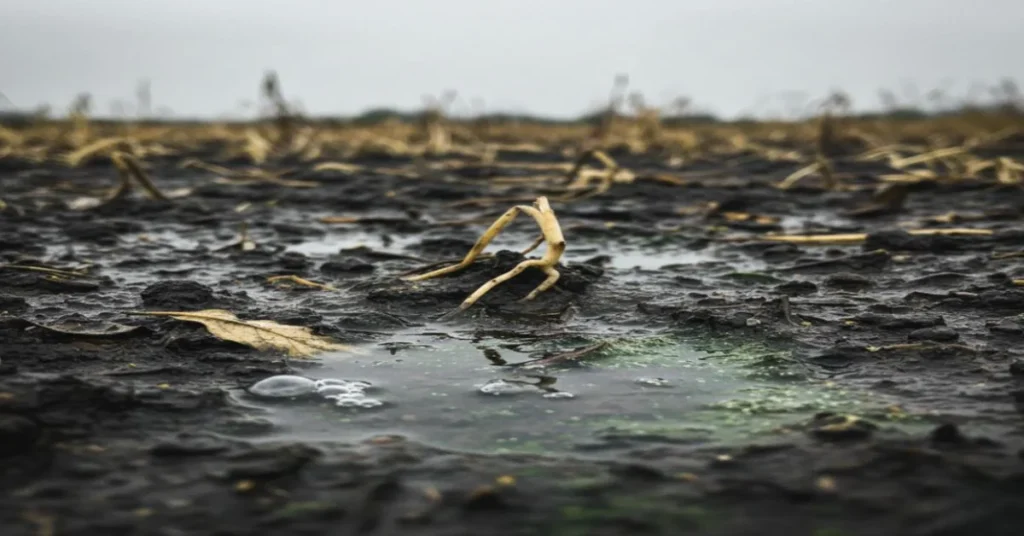
The effects of waterlogging on soil extend to all regions beyond the areas where surface water is present. The most severe impact of waterlogging on soil results in nutrient loss and permanent soil degradation.
Loss of Oxygen and Healthy Microbes
Waterlogged soil develops anaerobic conditions, which create soil aeration problems. The oxygen supply runs out, beneficial aerobic organisms decrease in number, and dangerous anaerobic bacteria become dominant. The essential microbes in soil will disrupt nutrient cycling when they lose their presence.
Nutrient Imbalance and Leaching
Waterlogged conditions lead to three specific effects:
- Denitrification causes nitrogen loss from the environment.
- Nutrient leaching increases
- Fertilizer efficiency drops
Farmers may apply more fertilizer without realizing nutrients are being lost.
Build-Up of Toxic Compounds
Anaerobic conditions lead to:
- Redox reactions in soil
- Formation of hydrogen sulfide and methane
- Accumulation of toxic compounds, which damage plant roots
The substances that the researcher identified cause direct harm to root tissues.
Long-Term Soil Structure Damage
Prolonging waterlogging situations leads to three different effects, which include:
- The soil aggregates will collapse.
- The soils ability to hold air will decrease.
- The soil will experience irreversible degradation.
The first damage to soil structure will make it harder to establish effective drainage systems.
How Does Waterlogging Affect Crop Growth and Yield?
The effects of waterlogging on crops are often rapid and severe, especially for non-tolerant species, leading to significant yield loss due to waterlogging and an increase in plant diseases in wet soil.
How Roots Suffocate
When oxygen is unavailable:
- Roots stop their respiration
- Root rot begins to develop
- The first roots to die are fine roots.
The result of this process creates weak anchorage, which results in diminished nutrient absorption.
Reduced Nutrient Absorption
Waterlogged crops show:
- Chlorosis, which causes yellowing leaves
- Poor nitrogen uptake
- Stunted growth
Even nutrient-rich soil cannot support crops if roots cannot function.
Increased Pests and Diseases
Wet soil conditions lead to:
- Fungal diseases, which include Pythium and Phytophthora.
- Root-rot pathogens.
- Heightened pest infestation
Plants die when they experience extended periods of saturated soil.
Yield Loss Examples
- Wheat: Yields decrease by 20% to 50%.
- Corn: Losses become very severe after 3 to 5 days of waterlogging.
- Vegetables: Entire crop failure occurs.
What Are the Early Signs of Waterlogging in Fields?
Early detection is critical. Symptoms of waterlogged soil often appear before major damage occurs.
Visual Crop Indicators
This is how farmers could identify or notice these early crop stress indicators:
- Yellowing of leaves
- Drooping plants
- Sweating despite having such moist soil
- Growth of crops has become slow
Soil Texture and Smell Changes
Waterlogged soil exhibits three distinct characteristics, which include:
- sticky or muddy texture
- production of a foul smell that resembles rotten eggs
- appearance of algae growth on its surface
Persistent Wet Patches
Standing water patches, which show two maintenance patterns:
- They exist as temporary water bodies that stay for multiple days after rainfall.
- The low areas that contain water find their original water level restored to its previous state.
These are strong warning signs.
Simple Monitoring Practices
- Walking on a field after a rain
- Digging soil pits
- Observing patterns of drainage
How Is Waterlogging Different from Soil Salinity?
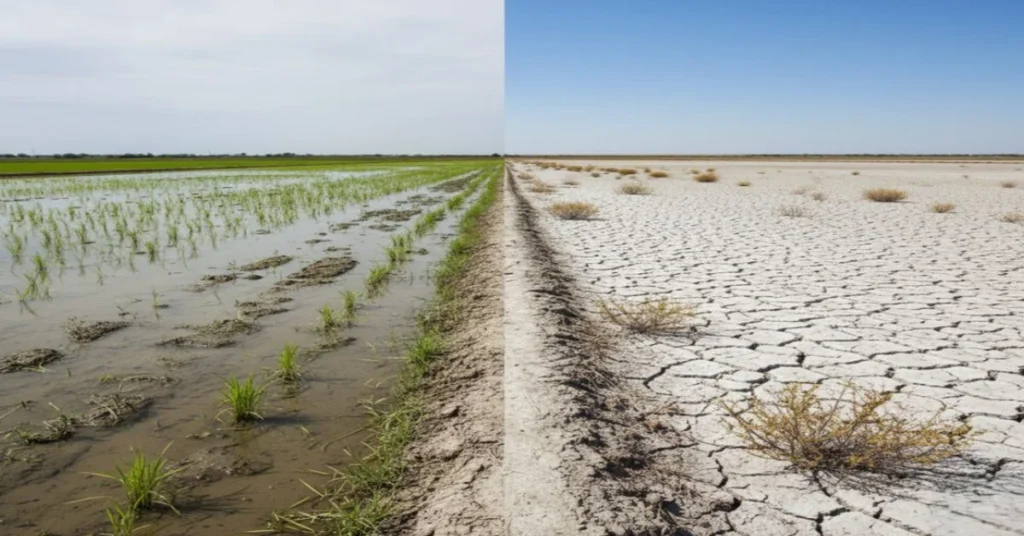
Even if they are related, the difference between saline soil and waterlogged soil is important to understand, because waterlogging and salinity each affect crops and soil in distinct ways.
Key Differences between Waterlogging and Soil Salinity
Waterlogging
- It can happen when a lot of water saturates the soil.
- Water fills soil pores, cutting off oxygen in the root zone.
- Roots will suffocate, get rotten, and take in fewer nutrients.
- Resulting from poor drainage, strong rain, high level of groundwater, and over-irrigation
- Signs include standing water, bad-smelling soil, yellow leaves, and slow growth.
- Rising groundwater can bring dissolved salts, leading to salinity buildup over time.
- This can be managed by drainage improvement, removing excess water, and timing irrigation better.
- Long-term damage includes poor soil structure and reduced crop productivity.
Soil Salinity
- The phenomenon occurs when excessive salt accumulates in the soil.
- Salts make it difficult for plants to absorb water from wet soil because they interfere with the process.
- Salt toxicity causes roots to experience stress, which leads to their destruction.
- Saline irrigation water causes this problem together with salty groundwater and high evaporation rates.
- The signs of the problem usually appear through white salt crusts on the soil, poor seed germination, and leaf burn.
- The condition becomes worse when waterlogging occurs because it causes poor drainage conditions that retain salts in the soil.
- The situation can be controlled through effective drainage systems that enable salt removal from the soil while farmers cultivate salt-resistant crops.
- The process gradually reduces soil fertility, which leads to decreased agricultural productivity throughout the years.
Why Waterlogging Often Leads to Salinity
Waterlogging and salinity interaction occurs when waterlogged soil causes groundwater levels to rise and keeps the soil saturated for long periods. The process of surface water evaporation causes dissolved salts to rise through the soil until they reach their highest concentration at the soil surface, which results in soil and groundwater salinity problems. The salt accumulation process damages soil structure while creating stress on crop roots, which reduces plants’ ability to take up water and nutrients from the soil, even when moisture exists.
Management Strategies Differ
Waterlogging requires:
- Drainage systems
- Irrigation control
Salinity requires:
- Salt-tolerant crops
- Leaching and drainage
What Are the Best Ways to Prevent and Control Waterlogging?
Successful waterlogging prevention methods depend on three essential elements, which include superior design capabilities, intelligent system management, and contemporary technological solutions to sustain agricultural productivity and ensure crop health.
Farm drainage solutions function as essential systems that redirect excessive water from their designated areas through their implementation of structured slopes and specialized contour channels and their utilization of exacting precision grading methods.
Equally important is managing irrigation to avoid waterlogging. This makes sure that crops get enough water without oversaturating the soil and adjusts schedules based on rainfall and soil conditions.
Low-Cost, Farmer-Friendly Solutions
- Field bunds control runoff water movement in agricultural fields.
- The shallow surface drainage system uses minimal equipment to remove excess water from the area.
- Raised beds serve as planting areas, which farmers use to cultivate their vegetables.
Engineering and Drainage Systems
- Surface drainage channels
- Subsurface pipes
- Open ditches
These remove excess water efficiently.
Managing Irrigation to Avoid Waterlogging
- Irrigation needs to be scheduled according to the requirements of the crops.
- The system should use drip irrigation equipment instead of flooding irrigation methods.
- The team needs to fix the drains, which are currently obstructed.
Long-Term Land Planning
- Appropriate land leveling
- Avoidance of low spots
- Improvement in soil structure
What Technologies Help Detect and Manage Waterlogging?
Modern waterlogging monitoring technology helps farmers act early.
Soil Moisture Measurement Tools
- Soil Moisture Measurement System (Sensors)
- Piezometer(s) for Groundwater Monitoring
Drone Mapping and Remote Sensing
Drones provide:
- Field images in crop surveys in high resolution
- GIS mapping
- Locating saturated zones
Smart Irrigation Controllers
- The automated system controls irrigation through its ability to water crops automatically.
- The system prevents excessive water application through its ability to regulate irrigation needs.
- The system uses water resources in an efficient manner.
These precision agriculture tools, including drones for farm monitoring, significantly reduce risk.
How Can Zenadrone Help Farmers Monitor and Reduce Waterlogging?
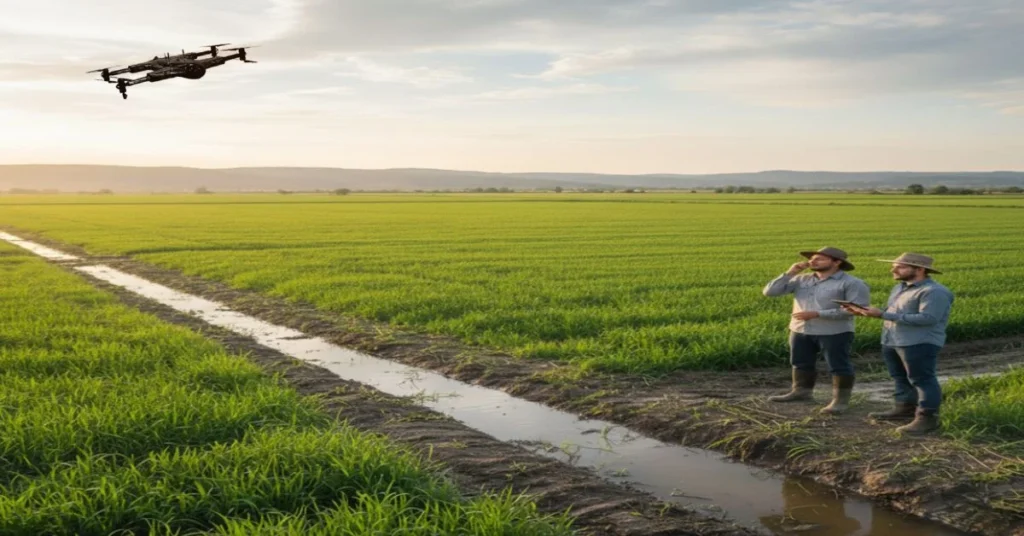
Zenadrone waterlogging monitoring provides farmers with an intelligent system that detects waterlogging conditions that will endanger their crops. Moreover, it is an effective drone technology for agriculture designed for precision agriculture and crop health monitoring, which uses multispectral technology to assess crop conditions and track water stress and drainage problems in extensive agricultural territories. The drones capture aerial images that show standing water and saturated soil and areas with insufficient drainage because these conditions remain hidden to ground observers, making it a conducive and smart drone waterlogging detection.
The multispectral sensors detect reduced NDVI values and initial crop stress symptoms, which occur from oxygen deficiency. Zenadrone provides farmers with high-resolution field maps that include elevation and slope analysis and drainage assessment data. The system also assists farmers with developing irrigation schedules and drainage system redesigns. Since these drones are used for crop health monitoring, they also provide multiple advantages by reducing labor intensity and time requirements. In addition, it enables farmers to monitor their fields from a distance while making better decisions, which result in reduced yield losses and time savings.
For example, the Zenadrone flight allows farmers to discover waterlogged areas that result from small elevation changes that lead to different crop growth patterns. The information helps farmers to modify drainage channels before it becomes required which protects their harvest from damage and safeguards their crops against enduring harm.
Which Crops Are More Tolerant to Waterlogging?
Some waterlogging-tolerant crops perform better in wet conditions.
Best Crops for Wet Fields
- Rice
- Sugarcane
- Barley
- Certain grasses
Flood-resistant crop varieties provide protection for crops grown in wet conditions and short-term flood events because they enable farmers to sustain their harvests while working in waterlogged fields.
How Can Farmers Design Fields to Reduce Waterlogging Risk?
Farmers need to build proper field drainage design because wet fields create dangerous conditions for crops which serve as field drainage warning signs.
- Build proper drainage designs to keep fields from staying waterlogged.
- Use gentle slopes so water naturally flows instead of pooling.
- Follow natural runoff paths when placing drainage channels.
- Combine drainage with contour farming for smoother water movement.
- Apply precision land grading and catchment management to prevent low spots.
Also, always remember that the combination of effective farm layout planning together with proper land grading for drainage purposes and efficient slope management practices in farming produces a system which allows water to flow through fields without creating ponds while safeguarding crops and maintaining field productivity.
Real-World Case Studies: How Farmers Successfully Controlled Waterlogging
Why Drones Changed Waterlogging Management
When we integrate traditional field scouting, it often misses the signs of waterlogging early. This happens because stress sometimes appears under the surface or in patches that are scattered. It’s more effective to use agricultural drones since these drones are equipped with remote sensing, multispectral imaging, and NDVI analysis. These features give farmers high-resolution and more field-wide visibility into moisture and drainage before the symptoms appear and become noticeable. This has made real-world drone case studies in agriculture a cornerstone of modern precision farming for waterlogging solutions. In addition, there are real-life case studies showing how the reliability of drones made the farmers control waterlogging successfully.
In the first waterlogging solutions case study, drones helped farmers spot waterlogged patches they could never see from the ground. Aerial maps showed small low areas where water lingered after rain. Once these trouble spots were clear, farmers knew exactly where to fix drainage. Furthermore, scientists used drones with multispectral sensors to collect elevation data over agricultural fields prone to flooding. The resulting DEMs identified low-lying areas where water accumulated and machinery could not operate due to saturated soil.
Before vs. After Scenarios:
Farmers used traditional ground surveying methods before, which failed to detect small dips and low areas that normally collected water and created waterlogging problems. The hidden saturated areas became visible through the UAV mapping process, which used drone-generated digital elevation models. The farmers used the land assessment results to implement specific drainage solutions, which controlled water movement and stopped their fields from experiencing continuous flooding.
What Methods Worked Best:
High-resolution DEMs from agricultural drones combined with NDVI analysis helped pinpoint risk areas quickly. The multispectral imaging demonstrated that vegetation in saturated areas showed reduced vitality, which confirmed the waterlogging sites that had been detected.
Costs vs. Benefits:
Farmers who use drone deployment and DEM processing methods need to invest money initially, but they achieve improvements in results with better precision for area detection than traditional scouting methods, which enables them to use their workforce and drainage systems more effectively. This type of UAV waterlogging inspection supports higher long-term yield stability.
The second waterlogging solutions case study shows how drones can guide farmers in fixing drainage problems. Drones used in a study from Russia’s Amur Region created accurate maps of waterlogged fields that contained standing water that halted work. The aerial maps displayed potential areas where new drainage channels and gentle land reshaping could enhance water flow, which would result in drier fields and healthier crops.
Before vs. After Scenarios:
Rainwater used to remain in the heavy clay fields until after the rainwater stopped falling, which caused stress to the crops and created uneven growth patterns. The drone-generated maps allowed farmers to identify their exact needs for drainage channel installation and slope modifications. The targeted approach enabled water to flow away from the fields, which resulted in healthier crops and created simpler field management practices.
What Methods Worked Best:
Farmers used drones and digital maps to study natural water flow patterns across their fields, which enabled them to design drainage systems that matched their fields’ natural topography instead of making predictions. Aerial images and NDVI scans later showed the crops thriving where the drainage had been improved, proving the approach really worked.
Costs vs. Benefits:
The process of crafting and assessing these digital maps that require technical expertise results in significant advantages. The fields maintain dry conditions, which enhance crop growth, while waterlogged fields reduce the time farmers need to work on their farms. Precision farming practitioners who make this investment will experience substantial financial returns.
Why Is Managing Waterlogging Essential for Sustainable Farming?
Proper waterlogging management serves as the most essential agricultural practice that farmers need to implement for their permanent success. Excess water creates negative effects on soil which leads to crop problems that decrease agricultural output. Farmers use water-monitoring methods and improved drainage systems, along with agricultural drones and elevation-mapping technologies, to safeguard soil health and maintain their topsoil while their fields recover from severe weather events, thereby strengthening their resistance to climate change.
The advantages of the solution extend beyond its capacity to stop flooding. Standing water impedes crop development, but eliminating it enables plants to grow better, increases production, and reduces fertilizer and pesticide costs for farmers, thereby enhancing operational productivity. The implementation of sustainable agriculture practices through waterlogging control maintains soil health while maximizing crop production and establishing farms that withstand droughts and heavy rain as well as other climate challenges.
At the end of the day, effective waterlogging management is about taking charge of your farm’s future. The system protects soil resources while increasing farm productivity and providing farmers with tools to address climate change, thereby supporting long-term profitability. The farmers who practice water management in agriculture today will protect their essential land resources while establishing a sustainable agricultural base for future success.
Don’t wait until waterlogging starts to damage your crops. You should begin field mapping and drainage improvement. Remember that agricultural drones and digital evaluation models are powerful decision support tools but successful waterlogging control ultimately relies on the farmer’s informed action and timely management.
Frequently Asked Questions About Waterlogging in Agriculture
What is waterlogging in simple words?
Waterlogging is when soil holds too much water and roots cannot breathe.
How long can crops survive waterlogging?
Most crops suffer damage after 2–5 days; tolerant crops last longer.
Is waterlogging reversible?
Yes, if detected early and drainage improves.
Which soil type is most affected?
Clay and compacted soils.
Does drip irrigation help prevent waterlogging?
Yes, it delivers controlled water directly to roots.
How do drones detect waterlogging?
Through multispectral imaging, NDVI analysis, and moisture patterns.
Which crops tolerate waterlogging best?
Rice, sugarcane, barley, and certain grasses.
Can waterlogging increase soil salinity?
Yes, prolonged waterlogging often leads to salt accumulation.
Contact Us

Thank you for your message. It has been sent.