


 Deutsch
 Português
4K Drone Camera: Features, Quality and Professional Uses
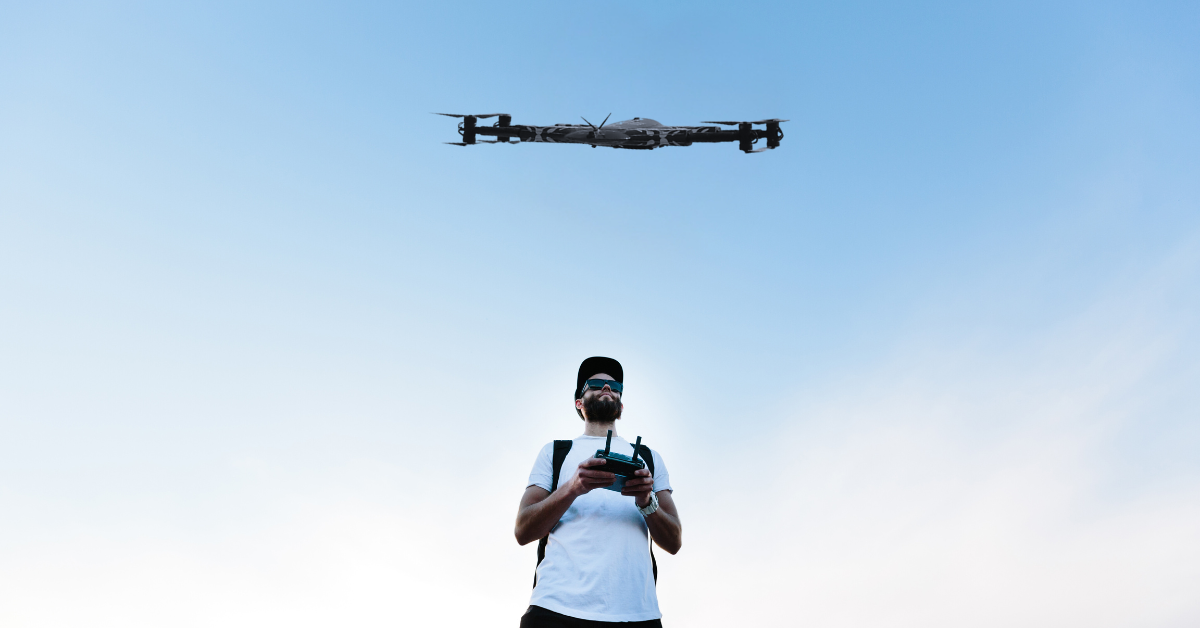
A drone camera 4K system combines aerial mobility with high-resolution imaging, allowing users to capture detailed photos and video from perspectives that are difficult to achieve from the ground. Today, drones with 4K cameras are used for much more than photography. They support agriculture, construction, inspections, mapping, real estate, filmmaking, environmental monitoring, research, and other professional applications.
However, the words “4K camera” alone do not guarantee excellent aerial footage. Camera sensor quality, stabilization, lens design, frame rate, flight stability, lighting, and image processing can all influence the final result.
This guide explains how 4K drone cameras work, what specifications matter, how 4K compares with 1080p, typical drone camera price ranges, and where high-resolution camera drones provide the most value.
What Is a 4K Drone Camera?
A 4K drone camera is a camera mounted on an unmanned aerial vehicle (UAV) that can record video at approximately 4K resolution.
A common 4K UHD resolution is 3840 × 2160 pixels. This provides substantially more image information than Full HD 1920 × 1080 video.
The additional resolution can be useful when users need to:
Capture detailed aerial footage
Crop or reframe video during editing
Examine structures and assets
Document large areas
Produce high-resolution marketing content
Monitor construction sites
Capture landscape imagery
Support mapping and inspection workflows
Modern camera drones often combine the camera with stabilization, GPS or other positioning systems, intelligent flight controls, and onboard sensors.
Professional systems may go further by integrating high-resolution cameras with technologies such as LiDAR, thermal imaging, or multispectral sensors.
How Does a 4K Drone Camera Work?
A drone camera captures images while the aircraft moves through the air. This creates challenges that a stationary camera does not normally experience.
The aircraft may encounter wind, vibration, changes in direction, varying light conditions, and rapid altitude adjustments. A capable camera drone therefore relies on more than resolution.
The imaging process generally involves the camera sensor collecting light, the processor converting that information into an image or video, and a stabilization system helping keep the camera steady as the drone moves.
Depending on the drone, recorded footage may be stored onboard while a separate video feed is transmitted to the pilot.
This distinction matters because recorded 4K video and the live view displayed on the controller are not necessarily the same resolution.
4K vs. 1080p Drone Cameras
One of the most common questions when choosing a camera drone is whether 4K is actually necessary.
Both resolutions can be useful, but they serve different needs.
Feature | 1080p Drone Camera | 4K Drone Camera |
Typical resolution | 1920 × 1080 | 3840 × 2160 |
Image detail | Good | Higher |
File size | Smaller | Larger |
Cropping flexibility | Limited | Greater |
Editing requirements | Lower | Higher |
Professional video | Suitable for some uses | Often preferred |
Detailed inspection | More limited | Better potential for visible detail |
Storage requirements | Lower | Higher |
A 1080p camera can still be sufficient for casual flying, basic social content, training, or applications where extreme image detail is unnecessary.
A drone with a 4K camera becomes more valuable when footage will be displayed on larger screens, edited extensively, used commercially, or examined for fine visual details.
4K footage also provides greater flexibility for reframing and cropping during post-production. However, resolution should never be the only factor used to judge a drone camera.
What Determines 4K Drone Camera Quality?
Two drones may both advertise 4K recording while producing noticeably different results. Several specifications influence actual image quality.
1. Camera Sensor
The sensor captures the light used to create the image. Sensor characteristics can affect dynamic range, noise, color reproduction, and low-light performance. That means a higher advertised resolution does not automatically produce a better image. For professional applications, users should consider sensor performance alongside resolution.
2. Gimbal and Image Stabilization
Aerial cameras are constantly moving. Without effective stabilization, high-resolution footage can still appear shaky or difficult to use. A gimbal physically stabilizes the camera as the aircraft pitches, rolls, or changes direction. Electronic image stabilization can also help compensate for movement.
Mechanical multi-axis gimbals are commonly used on camera drones designed for smooth aerial video. Current 4K drone systems frequently combine high-resolution cameras with two- or three-axis stabilization.
3. Frame Rate
Resolution tells you how many pixels are present in an image, while frame rate indicates how many video frames are captured each second. Common recording options include:
4K at 24 fps
4K at 30 fps
4K at 60 fps
Higher frame rates on specialized cameras
Higher frame rates can be valuable for recording fast movement or creating slow-motion sequences. For this reason, comparing two 4K cameras requires checking both resolution and frame rate.
4. Video Bitrate
Bitrate represents the amount of video data recorded over a period of time. Higher bitrates can preserve more visual information, although they also produce larger files. When evaluating professional drone cameras, bitrate can therefore be just as important as the 4K label itself.
5. Lens and Field of View
A drone's lens determines how the scene is captured. Wide-angle lenses are useful when operators need to cover landscapes, construction sites, farms, buildings, or other large areas. Other applications may benefit from narrower fields of view or optical zoom capabilities. The right lens depends on the mission.
6. Dynamic Range and Low-Light Performance
Aerial scenes often contain both bright and dark areas. For example, a drone may capture bright skies while simultaneously recording shaded buildings or vegetation below. A capable imaging system needs to preserve usable detail across these different lighting conditions. Sensor size, aperture, image processing, and exposure controls can all influence performance.
7. Flight Stability
Even an excellent camera can produce poor results when mounted on an unstable aircraft. Wind resistance, aircraft design, motor performance, positioning, and flight-control software all contribute to stable image capture. This is particularly important for professional inspections, surveying, mapping, and cinematic video.
Drone camera 4k in Agricultural Advancements
It is becoming more common for drone Camera 4K to be used for crop health and irrigation systems. These 4k drones are able to capture images that can be used by farmers to monitor problems such as pest invasion or nutrient-poor soils in real-time. Precision farming is an area that stands to gain a lot from drones with 4K cameras since they help in creating field maps and soil analysis reports that help in the determination of planting patterns and increased productivity.
Also, drones with 4K drone are extremely helpful in Search for Lost Cattle to embrace vast numbers of cows and bulls, check on their health, and protect them from predators.
Environmental Conservation
Drone camera 4K is a vital aspect in matters concerning the environment as well as conservation. From monitoring species counts to measuring deforestation, drones provide a method of gathering information and studying environments without disturbing them.
Wildlife Tracking
Drone 4k Wildlife conservationists employ drones to track the movement of endangered animals, track their migration patterns, and observe the animals’ behaviors without interfering with their natural environment.
Drone cameras 4k for Forest Management
They may be used to map out large tracts of densely wooded land to evaluate the effects of post-logging, fire or disease. Such details are important for the right management of forests in order to ensure sustainability.
Disaster Management and Response
Remote Technical Assessment of Impacts looks forward to deploying drones such as the Drone Camera 4K to mitigate and provide assessment in regions with disasters. These drones, with their affordable Drone camera price, are able to carry out surveys of the disaster areas and relay the information obtained to the rescuers within a short time, assisting in the effective management of the relief efforts. Search and rescue missions are highly advantageous, as drones with 4K camera capabilities fly over large areas in search of survivors and assess the level of destruction. In the event of a disaster, it is also used in damage surveying, whereby the drones take high-resolution photographs of the affected structures. This information assists authorities in their ability to allocate resources in an efficient manner as well as to coordinate reconstruction with more accuracy.
Urban Planning and Infrastructure Development
Drone Camera 4K technology has become popular among urban planners and engineers for a variety of tasks, including:
Land surveying
Construction monitoring
Inspection of infrastructures
The drones provide clear and detailed images that help in planning and managing projects, improving decision-making. Aerial photography has greatly benefited from 4K drones, offering detailed topographic maps that help with:
Planning and developing new urban areas
Monitoring construction progress through regular aerial surveys, enabling project managers to:
Assess the work progress
Ensure the construction is being carried out according to the planned schedule
Media and Entertainment
Although Drone Camera 4K technology is broadly applied to professional photography, it can be applied more and more in media and entertainment. Drones are now used to shoot live performances, provide virtual tours, and film scenes and commercials from the birds’ view.
Concerts, sports events, and other crowds welcome drones 4k and other aerial systems to obtain images from above the audience.
Virtual Video Tours
Real estate and tourism companies will soon use 4K drone cameras for virtual site tours, showing real properties and tourist attractions to prospective customers. However, as you may have noticed, this technology is not restricted only to the office. Developed by a leading drone camera company, these drones are becoming very helpful in many disciplines, such as:
Farming
City and metropolitan development
Ecology and protecting nature
Helping respond to disasters
Etc.
Let’s explore more of the ambitious possibilities of using drones!
Scientific Research and Exploration
Drone Camera 4K technology is slowly finding its way into being an essential tool in scientific exploration, especially where access is restricted or posing a threat. Using drones in the process of research allows researchers to obtain better data in the areas that were formerly unattainable or even dangerous for people.
Volcanic Research
A 4K drone can be used by scientists to capture close details of active volcanoes during eruptions and activities while observing the eruptions from a safe distance.
Marine Studies: Drones fitted with 4k cameras are employed in observing seabirds and other marine creatures and surveying coastal regions, hence offering important information regarding the state of the oceans and the effects of human interference.
Archaeological Exploration: Drones can assist archaeologists in surveying the areas to be excavated and finding underground structures without digging them up. Historical sites require detailed documentation and analysis, and this can only be done with 4K drone cameras and aerial images.
Security and Surveillance
Drone Camera 4K technology is perfect for security and surveillance because of the high imaging resolution. These are some of the scenarios that can be implemented to use drones in surveillance and provide real-time data to security personnel.
Border Security
Drone Camera 4K is embraced by the agencies that are in charge of patrolling the borders of a nation or a region to ensure that the borders have not been breached as well as to have the ability to capture any intruders on camera.
Event Security
Drones can also cover large public events, which helps the security team have a bird's view of the crowds and respond to any rush or stampede.
Facility Surveillance
Businesses and other establishments are employing 4K drones to surveillance large establishments like factories, warehouses, and industrial compounds to deter intruders.
Art and Creativity
Many artists and creators are already finding new ways of using Drone Camera 4K for their performances and creations, aiming at providing spectators with new angles and impressive sights that cannot be achieved with traditional means. It is expanding new opportunities in the arts because artists are now able to shoot from angles and in environments they could not before.
Key areas where Drone Camera 4K is being utilized include:
Aerial photography: This has emerged as one of the most common applications, where photographers use 4K drone cameras to take aerial shots that cannot be taken from the ground. Such images can be presented in art exhibitions, photography contests, and commercial projects.
Cinematography: Filmmakers have also incorporated Drone Camera 4K technology, allowing directors to film vibrant scenes that help enrich their movies' visuals. Drones can move around in confined spaces, hover at different heights, and track objects in motion, capturing shots that cannot be taken by regular cameras.
Choreographed performances: There are also 4K drone-equipped artists who choreograph their performances, presenting synchronized light shows as a way of creating art through technology that audiences of all sizes can enjoy.
These advancements demonstrate how Drone Camera 4K is opening up new possibilities in the arts, transforming the way artists and creators capture and present their work.
Drone Camera Price: What Affects the Cost?
Search interest around drone camera price is high, but there is no single price for a camera drone. Consumer camera drones and professional UAV systems serve very different purposes.
The price of a drone can be affected by:
Camera resolution
Camera sensor
Gimbal stabilization
Lens quality
Flight time
Transmission system
GPS and navigation technology
Obstacle detection
Autonomous flight capabilities
Payload capacity
Thermal or multispectral sensors
LiDAR
Enterprise software
Durability
Support and service requirements
Entry-level camera drones may prioritize affordability and basic photography. Professional drones can cost significantly more because the camera is only one component of a larger aerial data-collection system. For commercial users, the better question is therefore not simply, How much does a 4K drone camera cost?
Instead, ask: “What imaging and flight capabilities does my application require?”
That approach helps avoid choosing a drone based only on price or an advertised resolution
The Takeaway
As illustrated, Drone Camera 4K is not only a tool for capturing high-quality pictures but a valuable instrument that can be used in various fields. Whether it is used in agriculture, real estate, environmental conservation or sports, the application of 4K drone cameras is increasing as technology develops. Whether you are farming and wish to monitor and get the best out of your crops, or a conservationist tracking a rare species, or a real estate agent who wants to present the best views of the houses and lands, Drone Camera 4K is the technology that will be of great benefit to you and will provide you with the opportunity to advance in your line of work.
When looking at how Drone Camera 4K will be useful in your field, it is important to look at the different uses highlighted in this article. Drones are the future and their application is yet to be fully transformed.
Contact Us
This site is protected by reCAPTCHA and the Google Privacy Policy and Terms of Service apply.