



Exploring Drone Types and Their Real World Uses
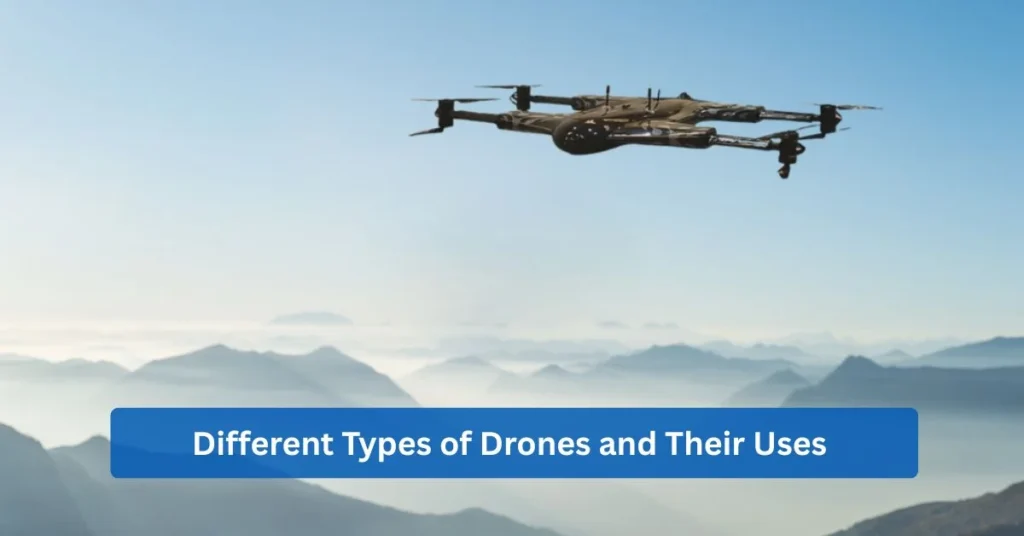
Modern tasks demand modern solutions that come in the form of a drone, an advanced aerial vehicle that is engineered to operate on land and through the air. While an Unmanned Aerial Vehicle (UAV) is a flying aircraft itself, the Unmanned Aircraft System (UAS) refers to the entire ecosystem that includes the ground controls and data links.
Modern drones are capable of performing complex aerial tasks autonomously and alleviating challenging operations, as these UAVs are equipped with onboard sensors and GPS for fulfilling such requests. Various industries can gain a technological advantage by understanding what drones, UAVs, and UAS are.
This blog will discuss and describe the different types of drones and explore their practical applications.
How Are Drones Classified?
The classification of drones regards multiple systems that consider a drone’s weight, endurance, and structural design. This includes whether a drone is a fixed-wing, multi-rotor, or hybrid VTOL platform. Such classification helps regulatory bodies apply appropriate safety standards to different UAV types.
Drone categories are based on size, design, payload, range, and mission type. For example, size and design influence a drone’s range, endurance, and suitability for specific missions, allowing for systematic sorting and regulation.
Types of Drones According to Wing Design?
As mentioned above, drones have classifications like the UAV design types. Here are the types of drones according to wing design and how each design can contribute to various tasks:
- Fixed-Wing Drones
A fixed-wing drone is a specific type that has a rigid wing structure that can generate lift through forward motion. It is similar to a traditional airplane, making its design appropriate for maximizing aerodynamic efficiency. Operating fixed-wing drones has its advantages: high-speed travel and extended flight durations; and its limitations, like requiring runways or catapults for flight launch.
Fixed-wing drones are the optimal drones for common use cases such as mapping, surveillance, and military Intelligence, Surveillance, and Reconnaissance (ISR). This specific wing design is best for flight operations that involve long-range endurance.
- Multirotor Drones
Another UAV design type is the multirotor drones, which include quadcopters, hexacopters, and octocopters. These multirotor drones use multiple rotors that generate both lift and propulsion. Utilizing this specific wing design can lead to achieving exceptional stability and the ability to hover in a fixed position.
Multirotor drones that consist of quadcopters, hexacopters, and octocopters can provide vertical takeoff and landing (VTOL) capability that is appropriate for both commercial and consumer projects. Despite having shorter flight times than fixed-wing models, the high maneuverability makes multirotor drones more effective and stable.
- Single-Rotor Helicopter Drones
For single-rotor helicopter drones, their features have one large main rotor for lift and a smaller tail rotor to control direction and counteract torque. This specific design is able to combine the hovering precision with mechanical efficiency and a higher payload capacity.
Single-rotor helicopter drones are necessary for industrial and military applications because of their power from gasoline engines that offer significantly higher endurance for heavy-lift tasks than other drone wing types. Although this specific wing design is mechanically complex, single-rotor helicopters are essential for missions that require power and precision.
- Fixed-Wing Hybrid VTOL Drones
Lastly, the fixed-wing hybrid VTOL drones are regarded as advanced aircraft that can combine vertical takeoff with efficient cruising for a long-range flight. These hybrid features make VTOL drones eliminate the need for runways while also maintaining the performance necessary for beyond visual line of sight (BVLOS) missions.
Fixed-wing hybrid VTOL drones can gain traction for their capability and technological convergence, and this is considered vital for most industries. Numerous companies like ZenaDrone recognize how this specific wing design type is best for long-range missions; hence, they currently offer hybrid VTOL efficiency that prioritizes versatility with endurance, as they recognize how.
What are the Types of Drones by Size?
In addition, drones are also classified by their size. Firms need to acknowledge that different performances can be met through different drone sizes, such as:
- Nano and Micro Drones
Firstly, nano and micro drones are described as ultra-lightweight UAVs. This specific drone size typically weighs less than 250 grams and is regarded as small enough that it can fit in a pilot’s palm. Within this weight range, nano and micro drones can provide discreet aerial access in confined spaces or sensitive environments.
Nano and micro drones are primarily used indoors and for reconnaissance, since their design highly considers the operator’s safety by providing better situational awareness without revealing the user’s current position. This drone size makes it have the appropriate agility for close-range flight operations.
- Small Drones
Moreover, the small drones are those UAS platforms that generally weigh between 250 grams and 25 kilograms. Small drones can balance portability with high-performance imaging and sensor capability, making them a solid choice for consumer and commercial flight projects.
This specific drone size can be used for diverse missions that involve photography, inspection, and training. Since small drones are easy to transport and quick to deploy, they have become among the most accessible for business applications and day-to-day professional aerial operations.
- Medium-Sized Drones
Another notable drone size is medium-sized drones, which refer to robust platforms that typically weigh between 25 kilograms and 150 kilograms. This size classification makes them capable of carrying heavy payloads, such as LiDAR or multispectral sensors, and of enduring long operations.
Medium-sized drones are necessary for tactical and industrial applications due to their capacity and endurance. These features altogether are essential for stable flight performance, proving that medium drones are the backbone of modern UAV operations.
- Large Drones
The last drone size category is the large drones, defined as heavy-duty UAVs that weigh more than 150 kilograms. Large drones are considered strategic platforms that can support long-endurance missions and carry large payloads, such as cargo or advanced combat systems.
Large drones have the necessary features and capabilities for strategies and military use cases. These systems and their military drone size can consistently provide persistent intelligence that ensures security at a continental scale.
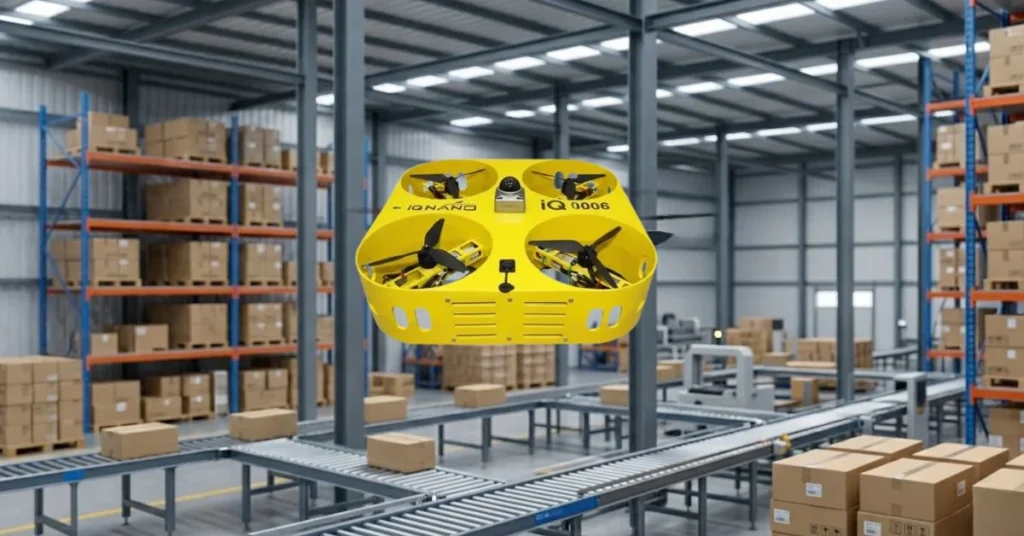
Types of Drones According to Payload Capacity
Furthermore, drones are also categorized according to the payload capacity. Here are the drone classifications based on their capacity to carry a payload:
- Featherweight Drones
To start, featherweight drones are ultra-light UAVs that have a drone payload capacity of just under 0.5 kilograms. Organizations can use these agile systems to carry lightweight sensors and cameras into tight spaces without creating a safety hazard or posing a risk. Featherweight drones weigh less than 0.55 pounds, which, luckily, exempts them from many state registration requirements.
- Lightweight Drones
Additionally, lightweight drones are specialized UAVs with a drone payload capacity ranging from 0.5 kilograms to 5 kilograms. These specific drones are capable of supporting professional-grade imaging equipment and small sensors for high-precision data collection. Lightweight drones offer an appropriate balance between portability and technical capabilities for missions such as mapping and inspection.
- Middleweight Drones
On the other hand, middleweight drones are industrial-grade aircraft engineered to carry payloads of 5 to 20 kilograms. Middleweight drones can carry advanced LiDAR systems and even small cargo. Having this payload capacity helps them conduct long-duration industrial and security operations that require multi-sensor arrays or tactical equipment.
- Heavy-Lift Drones
Lastly, heavy-lift drones are powerful aerial vehicles that can carry substantial payloads exceeding 25 kilograms and even reaching over 200 kilograms. These massive aerial systems automate the transportation process of heavy materials, cargo, or military supplies across challenging terrain. Heavy-lift drones are most suitable for cargo delivery and defense as they are one of the most powerful drones in terms of drone payload capacity.
Types of Drones According to Range and Endurance
Another classification of drones is their range and endurance. With that, the types of drones according to range and endurance are as follows:
- Close-Range Drones
Starting with close-range drones, these UAVs are designed for high-precision operations within a 5-kilometer radius. These agile systems can provide immediate, detailed aerial oversight, which can be especially helpful in confined spaces and indoor environments. Close-range drones have a compact design that allows rapid deployment for short-duration tasks and focused, proximal missions.
- Short-Range Drones
The next drone for UAV range categories is the short-range drones that are platforms capable of operating at distances between 5 and 50 kilometers. Short-range drones offer a significant increase in flight duration compared to close-range drones, as they bring localized hovering and long-distance cruising. With that, short-range drones have enough endurance of 30-60 minutes for regional missions and operations that cover a large area.
- Mid-Range Drones
Another type is the mid-range drone that can travel between 50 and 150 kilometers. This specific UAV range category can stay airborne for several hours, continuously helping workers by providing large-scale industrial data and persistent monitoring. Mid-range drones have increased fuel and battery capacity, a feature that is necessary for use cases like consistent gathering of data across diverse terrains.
- Long-Range Drones
For the last of the UAV range categories, the long-range drones are UAVs that are engineered to cover vast distances. Long-range drones have the endurance to reach up to 24 hours or more and can exceed 150 kilometers, which brands them a strategic asset for conducting BVLOS missions. This specific range of drones can use satellite links to maintain control and provide unparalleled reach, making them appropriate for use cases such as global security and transcontinental logistics.
Types of Drones by Power Source
In addition to the classification, there is also a drone’s power source. Drones find their power in many sources, such as:
- Battery-Powered Drones
One of the most well-known power sources worldwide is the battery, and battery-powered drones are UAVs that rely on rechargeable lithium-polymer (LiPo) or lithium-ion (Li-ion) packs to keep operating. Battery-powered drones are the most common type, offering a lightweight, emissions-free flight experience suitable for both novices and professionals. Despite their limited flight time, battery-powered drones are still easy to use among other drone types.
- Gasoline-Powered Drones
Moreover, gasoline-powered drones utilize internal combustion engines for generating propulsion. This specific power source offers a significantly higher energy density that can be beneficial for extended mission durations. Gasoline-powered drones also have the ability to lift heavy industrial payloads over vast distances, which makes them essential for rugged flight operations.
- Hydrogen Fuel Cell Drones
Another drone power source is the hydrogen fuel cell drones that can convert compressed hydrogen into electricity through a chemical reaction. This innovation can provide long-range capabilities and rapid refueling times that can even outperform traditional batteries while remaining more sustainable than gasoline. With both of these primary features, hydrogen drones ensure high-efficiency operations in a world that needs clean energy.
- Solar-Powered Drones
The last drone power source is the solar-powered drones that are equipped with photovoltaic cells, which are able to harvest enough energy from the sun in order to power flight and charge onboard batteries. Having these atmospheric satellites helps keep aircraft airborne for weeks or even months during monitoring operations. Solar-powered drones can provide unparalleled endurance; however, they have the downside of being dependent on clear weather.
Types of Drones by Capabilities and Equipment
Drone categories also include their renowned capabilities and equipment. Here are the different types of drones that are based on capabilities and equipment:
- Toy Drones: Firstly, toy drones are entry-level UAVs that have lightweight plastic construction and simplified flight controls. Toy drones are affordable systems and are perfect for new pilots to practice basic flight mechanics and be familiar with spatial operations. It is safe and has low risk, which makes toy drones a good choice as a starting point in UAV operations.
- Photography and Videography Drones: Additionally, photography and videography drones are high-performance UAVs that are equipped with stabilized gimbal cameras and advanced sensors for capturing cinematic aerial imagery. These drones are capable of providing unique perspectives, which makes them essential tools for modern visual storytelling.
- Racing Drones: On the other hand, racing drones are high-speed UAVs designed for extreme agility and can be piloted by using First-Person View (FPV) goggles for an immersive cockpit experience. Racing drones are utilized for competition and in high-stakes drone leagues where pilots navigate their drones through complex obstacle courses at speeds exceeding 100 miles per hour. This specific drone type is a testament to propulsion and low-latency transmission technology.
- GPS-Enabled Drones: Different drone types also include GPS-enabled drones, which are integrated with Global Positioning System technology for precise hovering, autonomous flight paths, and “Return-to-Home” features. With this integration, this specific drone can ensure that there is flight stability, and the feature allows for complex, repeatable missions without constant manual input. GPS-enabled drones and their spatial awareness help operators in more ways than one.
- Ready-to-Fly (RTF) Drones: These ready-to-fly drones are fully assembled and also include the aircraft, controller, and battery within the box. Just as the name suggests, RTF drones allow pilots to begin operations immediately with minimal setup. RTF drones have “plug-and-play” features, which make them one of the most accessible types of drones for business.
- Professional Drones: When it comes to professional drones that are utilized for heavy daily use, these industrial-grade UAVs have features of safety systems and swappable specialized sensors like thermal and LiDAR. Professional drones are capable of performing high-stakes tasks such as critical infrastructure inspection or precision mapping with extreme reliability. These systems are reliable for firms and pilots to deploy, especially in the commercial industries.
- Delivery Drones: Specialized transport UAVs also include delivery drones, which are designed to carry packages, medical supplies, or food directly to their consumers. Delivery drones improve the state of last-mile logistics through aerial flight and reduce delivery time. With autonomous transport capability, both operators and consumers have a better experience with this transformative application.
- Military Drones: Finally, there are the military drones, engineered as long-endurance platforms for strategic reconnaissance and combat. Military UAV types have a size range from an adult’s palm to massive, which allows them to conduct high-risk missions without endangering the human operator. It can provide persistent intelligence and precision-strike capabilities, supporting vital assets in most modern strategic operations and missions.
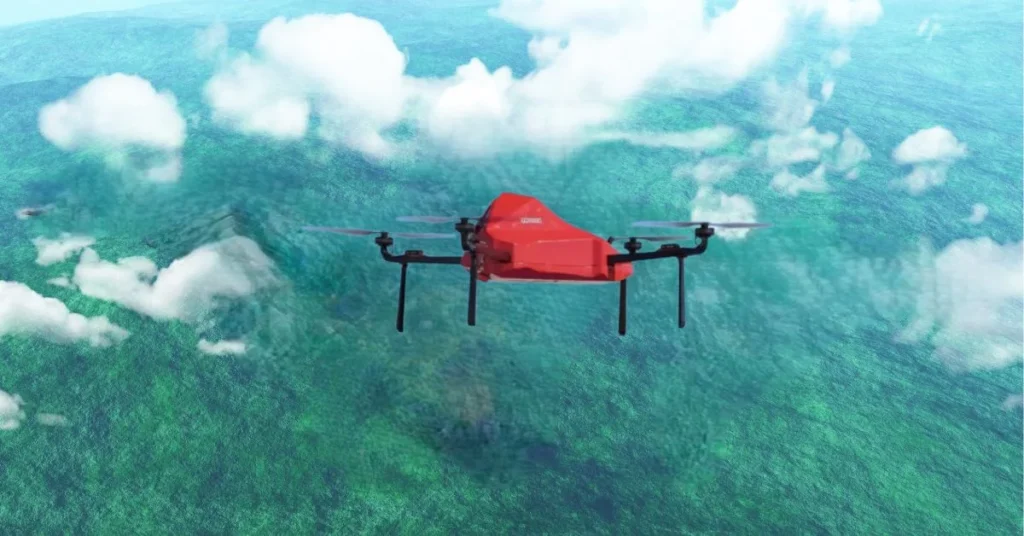
Types of Drones According to Motor Technology
The last of the drone categories is based on motor technology. There are different types of drones based on their motor technology, and those are the following:
- Brushed Motors: Firstly, there are brushed motors that use physical carbon brushes and a mechanical commutator to deliver current to the rotating coils. With that, brushed motors can provide an affordable, lightweight power source for most entry-level and toy drones. Although brushed motors are easily replaceable due to the physical friction between their brushes, this motor technology is still the standard choice for beginner-grade UAVs.
- Brushless Motors: Another drone motor technology is the brushless motor, which is an electric motors that replace the physical brushes with an Electronic Speed Controller (ESC). Brushless drone motors can handle current through stationary coils, eliminating friction and resulting in significantly higher efficiency and a longer operational lifespan. This specific drone motor technology is highly reliable for mission-critical tasks and has become the industrial standard for most professional UAVs.
- Motor Selection by Drone Size: With that, the operator and their firm should also consider motor selection based on drone size. This practice involves matching the drone’s motor stator size and KV rating to the desired aircraft’s weight and propeller dimensions. Here’s a brief table that portrays motor selection by drone size:
Drone Type | Frame Size (Wheelbase) | Motor Size (Stator) | Typical KV Range | Propeller Size |
Nano/Micro | 65–85 mm | 0702 – 1103 | 12,000 – 25,000 | 31–40 mm |
Small | 145–180 mm | 2004 – 2204 | 2,300 – 3,500 | 3″ – 4″ |
Medium | 250–330 mm | 2507 – 2808 | 900 – 1,600 | 6″ – 7″ |
Large | 400 mm+ | 3110 – 4004+ | 100 – 800 | 10″ – 15″+ |
Military Drone Classification by Size and Mission
- When it comes to specific military drones, there is a separate classification for the UAVs. Military drone categories by size and mission are the following:
- Micro and nano ISR Drones: Starting with micro and nano ISR drones, which are ultra-compact UAVs that typically weigh under 2 kilograms. Micro and nano ISR drones have nano variants that weigh 18 grams, and these pocket-sized systems are capable of providing immediate, covert ISR for soldiers. This specific UAV prioritizes the safety of defences by identifying hidden threats before entry, proving how micro and nano ISR drones are vital for tactical-level missions.
- Tactical medium UAVs: For tactical medium UAVs, these are robust military drones that weigh between 25 kilograms and 150 kilograms. It is designed for localized battlefield persistence, considering how it can offer a significant increase in flight duration and sensor quality. Tactical medium UAVs are reliable to operate for regional commanders as they maintain a connection between small scouts and strategic assets.
- MALE drones: Medium Altitude Long Endurance (MALE) drones are regarded as strategic-level aircraft that are engineered to have altitudes of 10,000 to 30,000 feet with flight times exceeding 24 hours. These MALE drones can provide wide-area surveillance and have capabilities across a large conflict zone, with their sustained presence that allows for near real-time intelligence gathering.
- HALE drones: On the other hand, High Altitude Long Endurance (HALE) drones are considered to be the largest military drone size. It’s capable of flying above 60,000 feet for more than 30 consecutive hours, which is appropriate for continental-scale reconnaissance and signal intelligence. HALE drones are massive systems that can provide a stable, high-altitude perspective that mimics satellite coverage at a lower cost.
- Combat UAVs: Different types of UAVs also include the specialized combat UAVs (UCAVs) that are often stealthy, unmanned aircraft built to carry and deploy munitions. Having combat UAVs and UCAVs is able to assist the military by conducting high-risk strikes and warfare missions in contested environments. With the combat UAV and its provided autonomous lethality, aggressive maneuver is feasible.
Drone Size Comparison: Small vs Medium vs Large
After understanding the difference between drone sizes, it’s also vital to learn how a drone’s features can be contrasting. Observe the tables below for the specific drone feature differences in terms of small, medium, and large.
Payload comparison
Feature | Small | Medium | Large |
Payload Comparison | Lightweight sensors (0.2–5 kg); standard 4K cameras or thermal pods. | Advanced sensors (5–50 kg); LiDAR, multispectral, or small cargo. | Heavy/Integrated (>50 kg); radar systems, weapons, or large logistics. |
Range and endurance
Feature | Small | Medium | Large |
Range & Endurance | Range: 5–15 km Endurance: 20–40 mins | Range: 50–150 km Endurance: 6–12 hours | Range: 150+ km (Global) Endurance: 24–40+ hours |
Cost and operational complexity
Feature | Small | Medium | Large |
Cost & Complexity | Cost: $500 – $20,000 Complexity: Single operator; portable. | Cost: $50k – $500k Complexity: Ground crew; specialized launch. | Cost: $1M – $100M+ Complexity: Mission control center; airfield required. |
Regulatory impact
Feature | Small | Medium | Large |
Regulatory Impact | Standard: FAA Part 107; Remote ID; 400ft ceiling. | Strict: BVLOS waivers; specific type certification; SORA required. | Extreme: Restricted airspace; military/govt oversight; ICAO standards. |
Drone Regulations by Type and Size
In any case that involves utilizing drones regardless of size, pilots and operators must adhere to the drone regulations by size mandated by federal and state law. For instance, the intention of flight operation is important, as recreational flying is for personal enjoyment, while commercial use of drones falls under the FAA Part 107 rules. Weight-based rules state that an aircraft’s mass determines its legal requirements, starting with drones and UAVs that weigh above 250 grams.
BVLOS operations also have regulations when it comes to operating a drone at a distance where it can no longer be seen with the naked eye. When it comes to the military and the government, drones and UAVs are allowed to fly as they are exempted for strategic importance. Here’s a table that summarizes the drone regulations by type and size:
Regulation Category | Key Requirements & Limitations | Primary Purpose |
Recreational vs. Commercial | Recreational: Must pass TRUST exam; fly only for fun. Commercial: Must hold FAA Part 107 license; applies to any business or non-profit work. | To ensure professional pilots have higher safety training for high-stakes or paid missions. |
Weight-Based Rules | < 250g: No FAA registration needed (unless commercial); often exempt from Remote ID. > 250g: Must be registered with FAA; Remote ID broadcast is mandatory. | To reduce the administrative burden on “nano” drone users while tracking larger, higher-risk aircraft. |
BVLOS Operations | Current Rule: Requires a specific FAA waiver/permit. 2026 Shift: Moving toward Part 108 “standardized” rules for automated detect-and-avoid flights. | To safely enable long-range logistics, agriculture, and infrastructure monitoring without visual contact. |
Military & Govt. Exemptions | Public Aircraft Ops (PAO): Entities can self-certify pilots; fly in restricted zones with coordination. Exemptions: May bypass standard Remote ID for covert security missions. | To allow first responders and defense agencies to conduct life-saving or high-security operations without civilian delays. |
Drone Technology Trends Shaping 2026
Knowing how influential drones have been towards multiple industries and sectors has led to opening more opportunities for them to flourish. Modern UAVs are perfect examples of how advanced aerial technology is and how it can continue to shape trends in 2026 through the following:
- AI-powered autonomy
Integrating advanced edge-computing and machine learning models allows drones to make real-time operational decisions with less or without human intervention. AI-powered autonomy and intelligent navigation can help drones perceive obstacles, adjust to shifting weather, and identify specific objects during flight operations. This particular trend can greatly improve critical missions as drones are no longer limited by signal latency or pilot fatigue.
- Swarm drones
Groups of multiple UAVs can communicate with one another in order to function as a single, coordinated collective system. With that, swarm drones can achieve mass efficiency that can share data and divide complex tasks like mapping and providing communications relay. Swarm drones and their provided collaboration ensure that the mission continues uninterrupted even if a single unit fails.
- BVLOS operations
Enhancing BVLOS operations is feasible with how pilots can manage flights through onboard sensors and remote data links. Advanced drones can help with long-distance missions like linear infrastructure inspections and urban package delivery. BVLOS operations and their remote capability can reduce operational costs and remove the need for ground-based visual observers.
- Anti-jam navigation
Defensive technology like anti-jam navigation utilizes sensor fusion in order to maintain flight stability. This drone technology trend is needed for cases where GPS signals are blocked, and these resilient systems can resolve such issues in terms of ensuring that a drone can safely complete its mission. Anti-jam navigation is regarded as reliable to remain operational in the most challenging conditions.
- Counter-drone systems
The last drone technology trend is counter-drone systems, which are specialized security platforms that are engineered to detect, track, and neutralize unauthorized aircraft. Counter-drone systems protect critical infrastructure, airports, and private property from external threats such as aerial intrusions or accidental collisions. Securing public safety is of the essence, and counter-drone systems can be of use in such circumstances.
How to Choose the Right Type of Drone?
When choosing the right type of drone, firms and their pilots should bear in mind the following factors:
- Purpose and industry
Since the purpose and industry revolve around the specific data or utility required for a professional field, the primary goal is to ensure that the aircraft chosen has the specialized features that meet the demands of tasks. Knowing the purpose and industry makes it easier to collect data and ensure it is accurate for the specific sector.
- Size and payload needs
Another factor to consider is the drone’s size and payload needs. This involves determining the physical dimensions and weight-carrying capacity required for a specific task. Size and payload must be assessed in order to ensure that the chosen drone can meet the desired lift for carrying necessary sensors and perform rigorous tasks, including delivering packages.
- Range and endurance
The drone’s range and endurance should also be regarded, as they refer to the maximum travel distance and the total time it can remain airborne. Range and endurance are metrics that verify a drone’s ability to complete its entire mission without needing battery swaps during flight.
- Budget considerations
Some circumstances require budget considerations, which affect the choice of the right type of drone. Budget consideration includes the total cost of ownership, initial purchase, specialized software, maintenance, and pilot training. While it is naturally best to choose the most advanced drone and UAV, firms and organizations still need to consider a realistic budget when ensuring long-term viability.
- Regulatory compliance
With multiple rules and regulations, industries need to ensure their flight operations and drones comply with all federal and local legal requirements. Remote ID, weight registrations, and type certifications for 2026 are included for regulatory compliance, and adhering to such can avoid costly fines and ensure that the UAV can legally operate.
FAQ’s
How many types of drones are there today?
While there are hundreds of specific drone models, there are four primary airframe types: multi-rotor, fixed-wing, single-rotor, and fixed-wing hybrid VTOL.
What is the most common type of drone used worldwide?
The most common type of drone used worldwide is the multi-rotor drone, specifically the quadcopter.
Which drone types are used for surveillance and monitoring?
Multi-rotor drones are used for surveillance, whereas fixed-wing drones are used for monitoring.
What type of drone is used for long-distance missions?
Fixed-wing drones and Hybrid VTOLs are commonly used for long-distance missions.
Which drones are designed for heavy payload operations?
Heavy-lift Octocopters and large-scale Fixed-wing hybrids are built for heavy payload operations.
What type of drones are used by the military?
The military uses a broad spectrum of military UAV types, such as nano/micro ISR, MALE/HALE, and UCAVs.
How do UAV types differ from consumer drones?
UAV types differ from consumer drones in terms of complexity and redundancy, since UAVs are professional systems that are integrated with industrial sensors.
Contact Us

Thank you for your message. It has been sent.