


 Deutsch
 Português
Cost Saving Drone Technology: Reducing Operational Costs across Industries
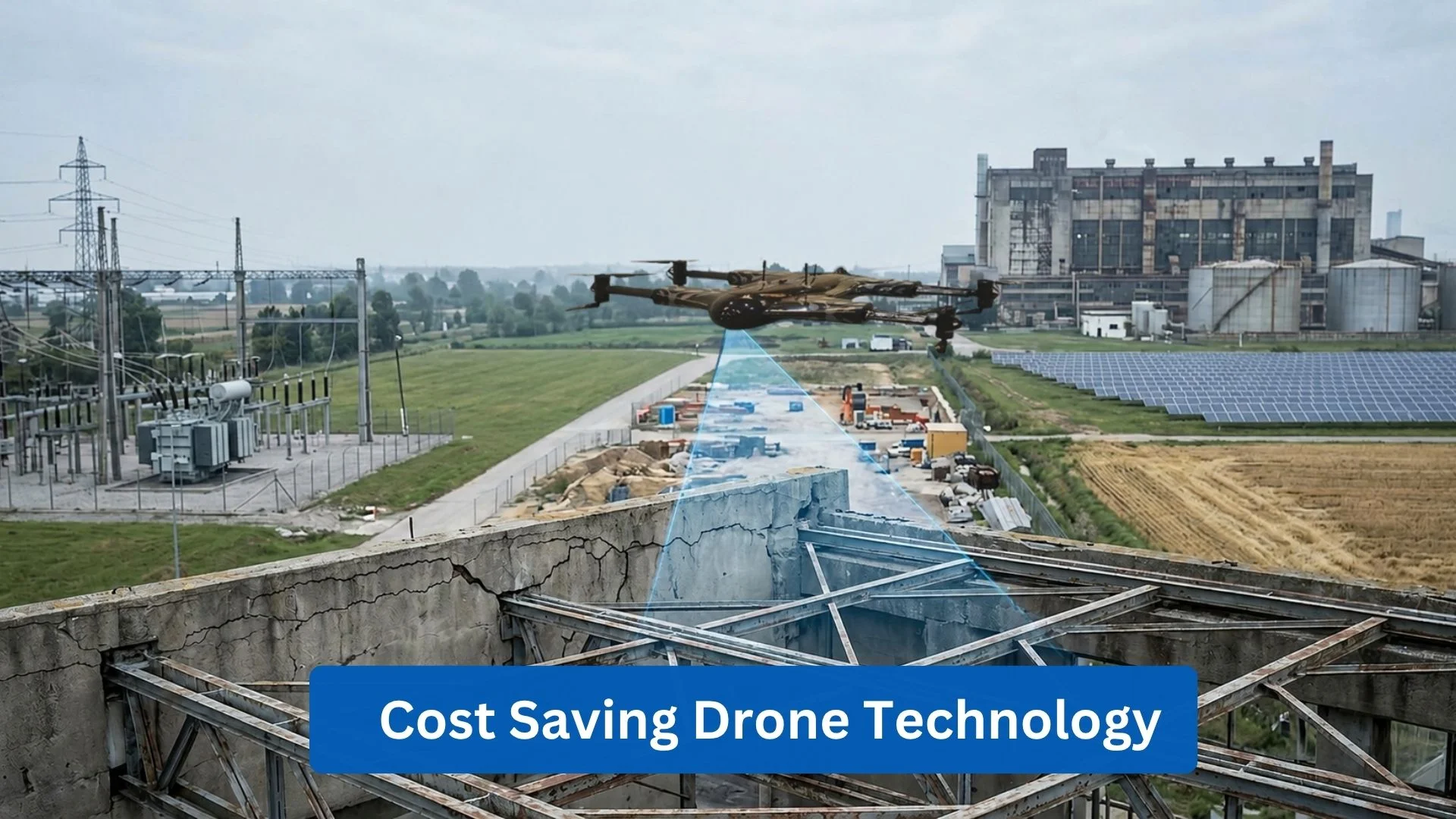
Across virtually every industry, organizations are under increasing pressure because they need to improve their efficiency while reducing the expenses of the operations. The rising cost of labor, stricter regulations regarding safety, aging infrastructure, and growing competition are making businesses adopt innovative technologies that deliver measurable returns on investment. One solution that gains significant traction is the cost saving with drones. A cost saving drone enables the companies to perform inspections, surveys, and monitoring activities faster and more cost-effectively than methods that are done traditionally.
Drones are a big help to organizations in streamlining their workflows, improving their safety, and lowering their operational expenses. Construction sites, utility networks, operations in agriculture, and industry facilities benefit from drone technology. They are equipped with advanced sensors, AI (artificial intelligence), autonomous flight capabilities, and cloud-based analytics. These make drones provide valuable data that supports better decision-making by helping identify the most appropriate course of action in every operation and resource management.
This blog will talk about the exploration of how a cost-saving drone helps reduce the expenses, improve the efficiency of each operation, and generate long-term value across a wide range of industries.
How Drones Reduce Operational Costs
Businesses invest in drone technology because it enables tasks to be completed faster, safer, and more efficiently than traditional methods. Drones significantly reduce the time that's required for inspections, surveys, and collection of data, allowing the organizations to gather information that's both accurate and takes less time, turning days of gathering into hours.
Monitoring the process of construction, infrastructure inspections, and land surveys can be performed with minimal disruption, reducing the expense in labor and accelerating project timelines. With one operator managing what once required an entire field crew, companies can direct their workforce toward tasks that demand more expertise and deliver greater impact. Drones also help reduce equipment and operational expenses by eliminating the need for costly resources such as scaffolding, cranes, lifts, helicopters, and rope access systems.
Additionally, frequent access will improve real-time data, resource allocation, and planning of the project. These result in fewer delays and greater efficiency, benefits that would lead to increased productivity, reduced downtime, and cost-savings that are substantial with drones. A cost saving drone is a valuable tool for organizations that are searching for long-term improvements in their operations.
Drone vs Traditional Methods Cost Comparison
One of the most compelling arguments for UAV adoption is the dramatic difference in cost between drone-based operations and traditional approaches.
Factor | Traditional Surveying | Drone Surveying |
Team Size | Larger crews required | Smaller, leaner teams |
Site Visits | Multiple visits needed | Fast, single-deployment capable |
Data Collection | Ground-based equipment, manual process | Automated data capture over wide areas |
Transportation | Higher transport costs across visits | Minimal — reduced site travel |
Project Timeline | Longer duration | Significantly faster turnaround |
Output | Standard field measurements | Highly accurate digital models |
This makes the cost of drone surveys less, making them particularly attractive for projects that are large-scale.
Inspection Cost Analysis
Inspecting tall structures traditionally involves expensive access methods. Examples include cell towers, wind turbines, bridges, and industrial stacks. Drone inspections significantly reduce access-related costs while improving inspection quality.
Time Savings and Labor Reductions
Time is one of the highest hidden costs in business operations. Drone inspections consistently cut project timelines by a significant margin, what once took weeks can now be completed in a fraction of the time. These reductions can directly translate into costs of labor and more increased flexibility in operations.
Safety-Related Cost Benefits
Accidents that occur in a workplace can result in financial burdens for organizations. These burdens include medical expenses, insurance claims, delays in doing the projects, and regulatory penalties. Many inspection and surveying tasks that are done in a traditional way require workers to operate at heights, in confined spaces, or in other environments that are hazardous. By lessening the need for the people who are in-charge to enter these risky areas, drones are a big help in improving the safety of the workplace at the same time, minimizing the costs that are associated with accidents and safety incidents.
Long-Term Operational Savings
When comparing drone vs traditional methods cost structures over multiple years, organizations often find that UAV programs generate substantial long-term savings. One thing to also remember when it comes to reducing the labor and the costs of equipment. In addition to reducing labor and equipment costs, a cost saving drone improves operational efficiency by allowing inspections to be faster, data collection that's more accurate, and proactive planning of maintenance. These continuous efficiencies help the businesses lower the operating expenses, reduce downtime, and maximize the value of their assets over time.
Drone Survey Cost Reduction Use Cases
Surveying is among the most valuable applications of drone technology.
Construction Site Surveys
Construction companies use drones to:
- Monitor the progress
- Measure the stockpiles
- Track the earthworks
- Generate maps of the sites
Drone-generated data improves planning while reducing survey expenses.
Land Mapping and Planning
Land developers frequently require detailed topographic information.
Drone mapping provides:
- High-resolution imagery
- Terrain models (digital)
- Measurements that are accurate
This makes the planning of the project more accelerated and reduces the requirements for fieldwork.
Mining and Quarry Operations
Mining operations benefit from:
- Stockpile measurements
- Volume calculations
- Site monitoring
- Safety assessments
Drone survey cost reduction is especially significant in large mining environments where traditional surveys can be time-consuming and expensive.
Infrastructure Assessments
Government agencies and engineering firms increasingly rely on drones to assess:
- Roads
- Bridges
- Railways
- Dams
These inspections are faster and more cost-effective than traditional assessment methods.
Environmental Monitoring Projects
Environmental organizations use UAVs in order to monitor the wetlands, forests, the coastal regions, and wildlife habitats more efficiently. Drones provide accurate aerial data at a lower cost than manned aircraft, enabling frequent monitoring while minimizing environmental disturbance.
UAV Inspection Cost Benefits Across Industries
Inspection activities represent one of the strongest business cases for drone adoption.
Powerline Inspections
Utility companies manage thousands of miles of transmission infrastructure.
Drone inspections help:
- Detect if there are early defects
- Monitor the vegetation growth
- Reduce the outage risks
- Minimize costs in inspections
The UAV inspection cost benefits are particularly significant in remote locations.
Solar Farm Inspections
Solar facilities require regular monitoring to identify:
- Damaged panels
- Hotspots
- Efficiency Losses in efficiency
Thermal-equipped drones can inspect large solar farms quickly and accurately.
Building and Roof Inspections
Commercial building owners use drones to inspect:
- Roof damage
- Drainage systems
- Issues in a structure
- Impacts that are related to weather
This eliminates many access challenges associated with traditional inspections.
Oil and Gas Asset Monitoring
Oil and gas operators use drones to inspect:
- Pipelines, if there are leaks, corrosion, and other signs of damage.
- Storage tanks if there are cracks, rust, and if the structures wear.
- Equipment and facilities to make sure that operations are safe and efficient.
- Offshore platforms and equipment in areas that are difficult to reach.
These inspections are helpful in improving safety while working and at the same time, reducing the operational costs.
Telecommunications Tower Inspections
Tower inspections traditionally involve climbing crews and extensive safety measures.
Drones provide:
- High-resolution imagery
- Inspections that are faster
- Reduced the risks
- Lower the costs
The result is substantial industrial drone cost benefits.
ROI of Drone Technology in Industry
Understanding the ROI of drone technology in industry is essential for organizations evaluating UAV investments. Businesses are typically measuring their returns through labor savings, reduced downtime, lowering the costs of inspection, improving the asset performance, and time savings. Many companies are able to recover their investment in drones within a relatively short period, as drones can help streamline workflows, enable more frequent inspections, improve project visibility, and support higher-quality data collection. From these processes, drones made improvements in productivity and profitability in organizations.
In addition, issues are never going to become costly failures because drone inspections help in identifying them early. This leads to earlier repairs, better planning of maintenance, reduced outages, and longer lifespans of the assets. In the construction field, engineering, and projects in infrastructures, real-time insights from drones help teams stay on schedule and avoid delays that are expensive to deal with. Organizations that implement a cost saving drone commonly report lower survey costs and inspection costs, improved efficiency in workforce, and faster decision-making, making the ROI of drone technology more attractive as UAV capabilities continue to grow and become advanced.
Technologies Driving Drone Efficiency Savings
Modern drone platforms incorporate advanced technologies that maximize value.
AI-Powered Analytics
Artificial intelligence helps organizations:
- To automatically detect the defects.
- Analyze imagery
- Identify if there are anomalies.
- Generate insights that are predictive.
AI can significantly reduce the time required to process inspection data.
Autonomous Flight Operations
Autonomous drones can:
- Follow a predefined route
- Perform inspections repeatedly
- Capture data that are consistent
- Operate with minimal human intervention while remaining under appropriate operational supervision
Autonomous drone ROI continues to improve as automation technologies mature.
Thermal Imaging Systems
Thermal sensors can identify if there's heat loss, electrical faults, failures in equipment, and moisture intrusion, enabling proactive maintenance and reduction of costs.
LiDAR Mapping Solutions
Drones that are equipped with LiDAR provide highly accurate 3D mapping capabilities.
Applications include:
- Analysis of the terrain
- Planning of infrastructure
- Managing vegetation
- Construction monitoring
Drone Fleet Management Platforms
Enterprise fleet management software supports:
- Planning of missions
- Tracking the compliance
- Monitoring of assets
- Management of data
These systems improve operational efficiency with drones across large organizations.
Cost Effective Drone Solutions for Business
Organizations have multiple options when adopting drone technology.
Drone-as-a-Service (DaaS) Models
DaaS providers offer capabilities that drones have without needing significant upfront investments.
Benefits included are:
- Lower startup costs
- Access to the expertise
- Reduced responsibilities in maintenance
- Services that are scalable
Outsourced Drone Operations
Many companies outsource inspections and surveys to drone service providers.
Advantages included are:
- Specialized expertise
- Regulatory compliance
- Reduced requirements for training
- Faster deployment
Scalable Inspection Programs
Organizations can expand their drone inspection programs gradually as the needs for operations grow, allowing them to start with projects that are small first before scaling across multiple sites or assets. This approach is flexible since it reduces implementation risks, it controls costs, and it maximizes long-term return on investment or also known as ROI.
Subscription-Based Drone Solutions
Many technology providers are now offering subscription packages that include:
- Hardware
- Software
- Services for support
- Data analytics
These models simplify the budgeting and deployment.
Enterprise Drone Deployment Strategies
Large organizations often implement drone programs that are centralized in order to support multiple departments, maximizing resource utilization, and reducing the costs of operations.
Future of Cost Saving Drone Technology
Drone technology continues to evolve. Their evolution continuously reduces costs and improves the efficiency of operations. Autonomous drone inspections minimize the involvement of humans during operations, it also lowers the costs of labor while at the same time, enabling faster inspection, continuous monitoring, and a more consistent collection of data. In addition, software that's powered by AI automates the detection of defects, improving the accuracy, reducing the time needed for inspection, and supporting decisions regarding the maintenance.
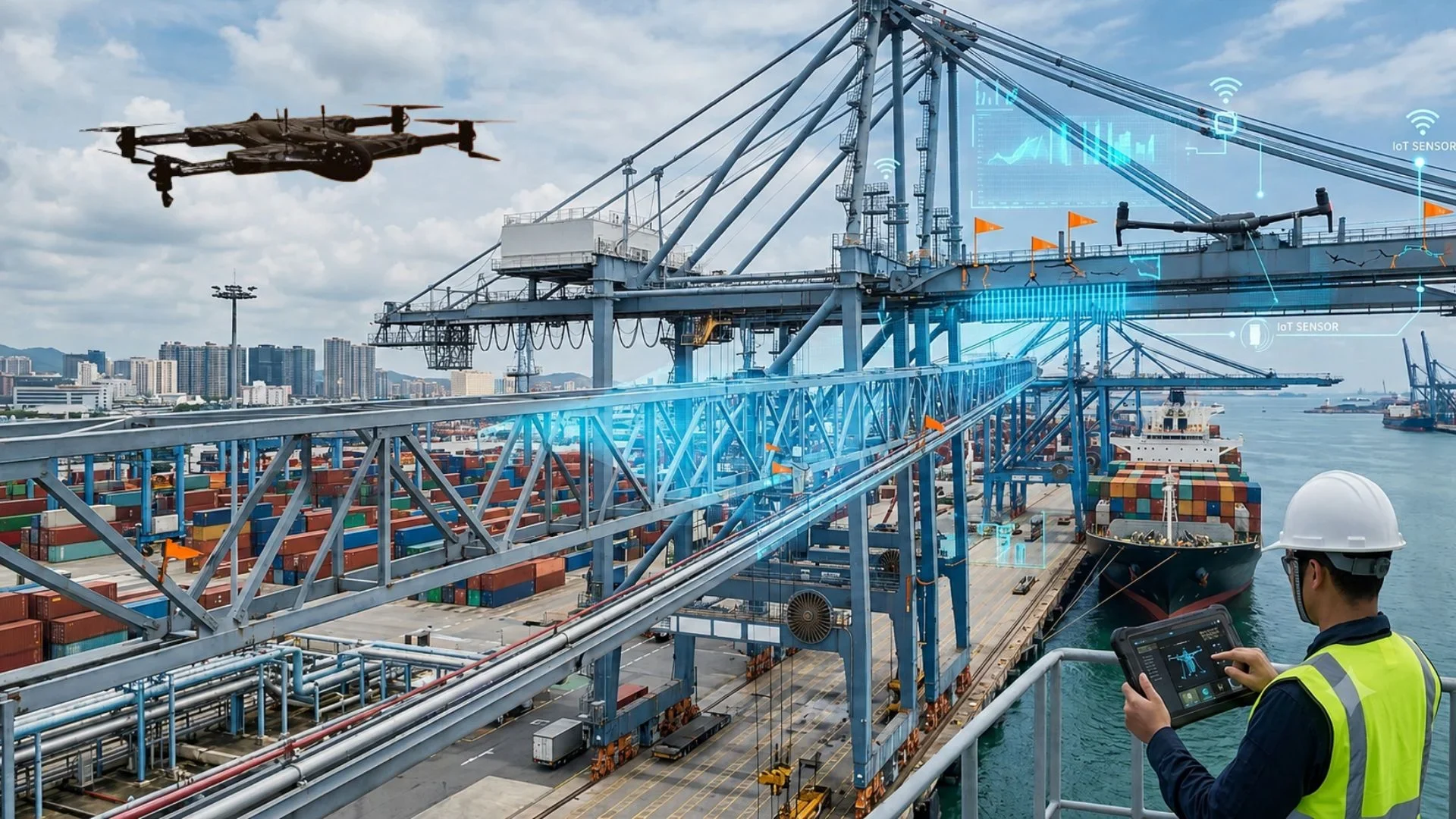
The future of drone technology also includes predictive maintenance and smart infrastructure management. This happens through the integration of drones with IoT sensors, digital twins, and predictive analytics. These advancements are a big help especially for organizations to detect early issues before failures take place, reducing downtime, repair costs, and also expenses on the maintenance. As drone technology becomes more affordable and automated technology, businesses can expect even greater returns. These positive returns include improved productivity, lower operating costs, and more efficient management of assets.
Conclusion
Organizations across construction, infrastructure, utilities, agriculture, environmental monitoring, and industrial operations are discovering the transformative value of drone technology. A cost saving drone provides a solution powerful enough to reduce the expenses on labor, minimize the equipment costs, improve the safety, and accelerate project timelines. From drone survey cost reduction initiatives to advanced inspection programs, a cost saving drone consistently delivers measurable benefits in terms of financing, and makes better decisions while spending less money.
The growing adoption of analytics that are powered by AI, autonomous flight systems, thermal imaging, and fleet management platforms is further enhancing the value proposition of drones. Businesses that are looking for sustainable operational improvements should view drone technology as something that's a strategic kind of investment instead of just simply viewing it as another tool.
Industries continue to strive in pursuit of efficiency, productivity, and profitability, and as they consistently pursue these, the cost saving drone will remain a critical component of modern operational strategies. Organizations of today's generation that embrace innovation when it comes to UAVs will be positioned better to lessen the expenses, improve the performance of assets, and gain a more competitive advantage in the years ahead.
Frequently Asked Questions
How quickly can businesses see a return on investment from drone technology?
Many organizations may recover their investment over time after implementation, depending on usage and operational factors. The timeline depends on factors such as deployment frequency, labor savings, and project scale. Businesses that use drones regularly often realize financial benefits more quickly.
Are drones affordable for small and mid-sized businesses?
Yes, drones are becoming increasingly affordable for organizations of all sizes. Subscription plans, leasing options, and Drone-as-a-Service (DaaS) models help reduce upfront costs. These flexible solutions make drone technology accessible even for businesses with limited budgets.
What hidden costs can drones help eliminate from operations?
Drones can significantly reduce travel expenses, equipment rental fees, and labor costs. They also help minimize downtime, safety-related expenses, and contractor charges. Over time, these savings can have a substantial impact on overall operational budgets.
Can drones reduce the need for third-party inspection contractors?
In many situations, drones allow organizations to perform inspections internally rather than relying on external contractors. This can reduce recurring service fees and improve scheduling flexibility. Internal drone programs also enable more frequent inspections at a lower cost.
How much money can companies save by replacing manual surveys with drones?
The amount saved varies depending on the size and complexity of the project. Using drones for surveying is often more cost-efficient than conventional approaches. Larger projects often experience the most significant financial benefits.
What factors have the biggest impact on drone ROI?
Several factors influence drone ROI, including inspection frequency, labor savings, and operational efficiency improvements. Automation capabilities and the value of the assets being monitored also play important roles. Organizations that integrate drones into multiple workflows typically achieve higher returns.
Are drone operations safer than traditional inspection methods?
Yes, drone operations are generally safer than many conventional inspection techniques. Drones reduce the need for workers to climb structures, enter confined spaces, or access hazardous environments. This helps lower the risk of workplace accidents and related costs.
Is it better to buy drones or use a Drone-as-a-Service provider?
The best option depends on a company's operational requirements and budget. Businesses with frequent inspection needs may benefit from owning and managing their own drone fleet. Organizations with occasional requirements often find Drone-as-a-Service solutions more cost-effective and convenient.
How do drones help prevent costly equipment failures?
Regular drone inspections allow organizations to identify defects and performance issues before they escalate into major problems. Early detection enables timely maintenance and repairs. This proactive approach reduces downtime, repair costs, and the risk of unexpected equipment failures.
Can drones improve project timelines as well as reduce costs?
Absolutely, drones help accelerate surveys, inspections, and data collection activities. Faster access to accurate information allows teams to make decisions more quickly and keep projects on schedule. As a result, organizations often experience both cost savings and improved project delivery times.
Contact Us
This site is protected by reCAPTCHA and the Google Privacy Policy and Terms of Service apply.