Alta Land Survey with Drones Modern Mapping

An ALTA survey is a detailed land surveying process used primarily in commercial real estate transactions. An ALTA survey also follows the standards that are set by the American Land Title Association (ALTA) as well as the NSPS (National Society of Professional Surveyors).
If you ask what an ALTA survey is, it is essentially a more comprehensive way to confirm a property’s boundaries, improvements, access, and potential legal issues before a property is bought, sold, or insured. In short, the meaning of an ALTA survey in the field of real estate is about clarity and the reduction of risk for buyers, lenders, and companies with titles.
Definition of an ALTA Survey
The definition of an ALTA survey is connected to a standardized ALTA land survey that’s prepared by a land surveyor with a license in accordance with ALTA/NSPS standards. It shows boundary lines, buildings, easements, rights-of-way, access points, and other features that may have an impact on ownership or use of the land. When people ask about what ALTA is in real estate, it commonly points to the role of this survey in supporting and protecting parties that are involved in high-value property transactions.
Purpose of an ALTA Survey
The ALTA survey’s main purpose is to identify and lessen risk. It ensures that whatever it is appears in legal documents, it should match what exists on the ground. This covers unveiling encroachments, issues on access, and concerns about zoning, and easements that are given. Also, the survey is essential for lenders and insurers in terms of issuing title insurance without exceptions that could expose them to liability.
How ALTA Surveys Are Used in Real Estate
An ALTA survey is mostly used in commercial real estate deals, for example, office buildings, retail centers, industrial sites, and developments that are multi-family. It is also relied on by buyers to confirm property boundaries, while lenders make it a requirement in order to protect their financial interest. The short answer as to what an ALTA survey is used for is due diligence because it helps all parties make decisions that are informed based on accurate as well as verified land data.
Key Parties Involved in an ALTA Survey
Several parties play a role in completing and using an ALTA survey:
- A land surveyor that is licensed prepares the survey following the standards of ALTA/NSPS.
- The American Land Title Association and NSPS establish the technical requirements.
- Title companies use the survey to issue title insurance.
- Buyers, lenders, and attorneys review the survey during the transaction.
Each party depends on the survey’s accuracy to reduce legal and financial risk.
Overview of ALTA/NSPS Standards
The standards of ALTA/NSPS define how to properly conduct and present ALTA land surveys. These standards emphasize accuracy requirements, survey elements that are mandatory, and optional items that can be added in response to the transaction’s needs. If these standards are followed, consistency is ensured nationwide and will answer why an ALTA survey is trusted in the real estate industry.
Why Are ALTA Surveys Required in Real Estate Transactions?
ALTA survey requirements exist to give protection to everyone in a real estate transaction, especially in commercial real estate deals. An ALTA survey provides a clear and, most importantly, standardized picture of the property that lessens the uncertainty around boundaries, access, and, of course, legal rights. What ALTA is in real estate is not questionable anymore. ALTA in real estate is a framework that’s created by ALTA and NSPS to manage risk and boost confident transfers of property.
Role of ALTA Surveys in Title Insurance
ALTA survey requirements are enforced because of their direct link to title insurance. Title companies have formed a reliance on an ALTA land survey in confirming that the property matches its legal description as well as to identify easements, encroachments, or access issues.
When ALTA survey standards are followed by an ALTA survey, then insurers can have the right to remove and limit coverage exceptions. This provides stronger protection for the buyers and lenders.
Lender Requirements and Risk Management
Lenders require ALTA surveys in order to protect their financial interest in a property. Lenders can gain assurance that there are no hidden boundary problems and physical conditions that could lessen the value of the property. This assurance can be gained only by following ALTA survey requirements.
A checklist regarding an ALTA survey helps lenders to confirm that all required elements are properly documented, lowering long-term risk. “Elements” refers to access improvements and rights-of-way.
Legal and Compliance Considerations
ALTA surveys are being used by real estate attorneys in order for them to verify compliance with local laws, rules about zoning, and recorded documents. It is imperative to meet ALTA survey standards because it ensures that the survey is legally defensible and acceptable in any jurisdiction.
From a legal perspective, ALTA survey requirements help prevent disputes by clearly showing how a property can be used and whether any restrictions apply.
When an ALTA Survey Is Mandatory
It is typically mandatory to do an ALTA survey in commercial real estate transactions that involve financing, title insurance, and property development. Lenders and title companies often use it as a form of condition before closing.
In these mentioned cases, meeting ALTA survey requirements is non-negotiable since the survey supports underwriting decisions and confirms that the transaction complies with the guidelines of ALTA and NSPS.
Consequences of Not Having an ALTA Survey
If the ALTA survey requirements are not followed, it can result in a delay or can derail a transaction entirely. If there are no ALTA survey requirements compliant, buyers may encounter exclusions of their title insurance, lenders may refuse financing, and legal issues may occur after closing.
ALTA survey standards are designed to prevent risk, uncertainty, and potential financial loss when an ALTA survey is being skipped.
Who Needs an ALTA Survey and When?
If one asks what an ALTA survey is and actually needs it, the answer depends on the type of real estate transaction. An ALTA survey is most often needed in commercial deals where what matters most are accuracy, legal clarity, and risk management.
The meaning of ALTA survey in real estate centers on protecting financial and legal interests by giving a detailed and standardized view of a property. It is important to understand what ALTA really is in real estate because it helps in clarifying why certain parties rely on this survey at specific stages of ownership, financing, or development.
Buyers and Investors
An ALTA land survey is important for buyers and investors because it shows exactly what’s being bought, including boundaries, access, easements, and potential encroachments.
Commercial Property Developers
ALTA surveys are used by developers before construction in order to confirm areas that are buildable, legal access, and any restrictions. ALTA land surveys ensure projects meet requirements and help avoid expensive legal problems regarding zoning beyond ownership.
Lenders and Financial Institutions
Lenders require an ALTA survey because it helps them verify commercial property value as secure collateral while they fulfill their survey requirements. The real estate industry uses this tool to protect lenders from risks that they need to manage.
Refinancing and Property Transfers
An ALTA survey is often needed for refinancing and property transfers, even if one already exists. Lenders and title insurers require an updated survey that shows current site conditions to maintain their records in accurate and reliable condition for future reference.
Commercial vs. Residential Transactions
The primary purpose of ALTA surveys extends to commercial real estate properties. Residential properties usually need simpler surveys unless they’re high-value or lender-required. An ALTA survey establishes legal and financial details that operate as essential proof for complex business transactions.
What an ALTA Survey Includes?
An ALTA land survey provides a detailed, standardized snapshot of a property based on strict industry guidelines. The document combines ALTA survey requirements and ALTA survey standards to deliver essential information about physical and legal elements that determine ownership rights, land utilization, and property worth.
The ALTA survey definition centers on three main objectives, which include achieving precise results, maintaining complete disclosure, and decreasing potential hazards during commercial real estate deals.
Property Boundary Identification
A clear property boundary is one of the most important components of an ALTA land survey because the survey precisely defines boundary lines, corners, and dimensions. This ensures the legal description matches what exists on the ground.
Easements and Access Rights
An Alta land survey identifies recorded and observable easements, rights-of-way, and access points that can affect how the property can be used. These may also include shared driveways, utilities, access routes, and public access corridors.
Encroachments and Improvements
The ALTA land survey documents all encroachments, which include fences and buildings, while creating a map of all on-site improvements that show the locations of structures and paved regions.
Utility Locations and Services
Alta land surveys show all existing aboveground utility lines and service connections, which include water and sewer and gas and electrical systems. Utility access points and easement areas get identified whenever the situation demands it.
Zoning and Setback Information
An Alta land survey can include zoning classifications together with setback lines when these elements are specifically requested. The system checks existing land use and future development plans against local zoning regulations to determine their compliance.
Property Details Shown on an ALTA Survey
The ALTA survey isn’t just about property lines. It gives a full snapshot of a property’s physical, legal, and regulatory details. Prepared to ALTA survey standards, it highlights what matters for ownership, access, and development, showing why these surveys are so important in commercial real estate.
Flood Zone Determinations
An Alta land survey may identify whether a property is located within FEMA flood zones when this information is provided or requested. This process allows buyers and lenders to evaluate their insurance requirements along with assessing development restrictions and potential future dangers. The inclusion of flood data enhances the complete ALTA survey assessment, which measures risk awareness and informed decision-making capabilities.
Access, Ingress, and Egress
The ALTA survey needs access points showing how people can go in and out of the property. The details establish whether the property has legal access to public roads and shared driveways, which it needs to maintain proper access rights. The ALTA survey requirements in this area help to prevent disputes while they establish the property rights needed for its intended use.
Parking and Driveway Details
The ALTA land survey displays parking areas and driveways together with paths that allow vehicle movement on commercial properties. The features of a property create impacts that determine its zoning compliance and tenant operational activities and market worth.
Municipal and Local Authority Information
An ALTA survey includes info from local authorities, like zoning rules and boundaries, showing which regulations apply. It links a property’s physical features with its legal and regulatory context.
Recorded Plat and Legal Description Review
Surveying requires surveyors to verify through checking existing plats and records that the legal description of the property matches its actual physical location. The process establishes three essential elements necessary for trustworthy real estate transactions, which are accuracy, reliability, and confidence.
Understanding ALTA Survey Table A Items
An ALTA survey checklist often centers around Table A items, which enable parties to design their ALTA survey using particular requirements for their upcoming business deal. These optional items expand the scope of an ALTA land survey beyond the minimum ALTA survey requirements while still following strict ALTA survey standards. The available options provide clarity on the actual requirements of ALTA surveys while demonstrating why different ALTA surveys have varying levels of detail and associated costs.
What Are Table An Items?
Table a items are a list of optional survey elements published by ALTA as part of the ALTA/NSPS standards. The base survey allows buyers and lenders and title insurers to request additional information through this method.
The ALTA survey checklist uses Table An items to establish required extra details that licensed surveyors must present, including utility locations and specific site features.
Commonly Selected Table an Options
Some Table an items are requested more frequently due to their practical value in commercial transactions. These commonly include:
- Utility locations and services
- Access and parking details
- Building setbacks and zoning information
- Flood zone classifications
Adding these items to the ALTA survey checklist enhances the in formativeness of an ALTA land survey while maintaining compliance with the ALTA survey standards.
Optional vs. Required Table A Items
The items of Table A function as optional elements, but their selection by the user establishes them as mandatory components of the ALTA survey requirements for that particular project. The survey baseline requires mandatory elements, while Table A items expand the survey scope according to title commitment and transaction objectives.
The Alta survey definition permits survey customization through its core principle of standardization, which maintains essential components of the research process.
How Table A Items Affect Scope and Cost?
The selected Table A items need more detailed work because they require more time and effort from the licensed surveyor who needs to complete the work. The ALTA survey checklist requires more items to be completed, which results in both increased costs and extended work periods.
The additional details provide legal and financial protection, which makes them a valuable expense for complex real estate transactions.
Choosing the Right Table A Items
Buyers, lenders, title insurers, and surveyors need to work together to establish a system for selecting Table A items. The title commitment document review process, together with property use information and the future plans review process, enables the identification of essential items.
The ALTA survey checklist enables parties to build their ALTA land survey according to ALTA survey requirements while eliminating all unneeded components.
The ALTA Survey Process Step by Step
The ALTA land survey process uses a predetermined method that enables researchers to conduct their work while maintaining compliance with ALTA survey standards and producing trustworthy results.
Every process component needs to follow ALTA survey standards because these standards define the complete ALTA survey process, which needs to deliver precise results and clear information and reduce commercial real estate transaction hazards.
The subsequent section presents a detailed procedure for conducting ALTA surveys, which follows the established ALTA survey checklist.
Pre-Survey Research and Title Review
The process starts with boundary research, title commitment, and deed examination. The team uses this step to find all recorded easements and rights-of-way together with legal property descriptions.
The surveyor establishes survey compliance through record examination because it enables him to complete the ALTA land survey according to ALTA survey standards while showing all applicable legal requirements.
Fieldwork and On-Site Measurements
The surveyor proceeds to fieldwork, which involves him measuring particular locations to establish the positions of boundary markers and improvements and access points and visible utilities.
The actual physical characteristics of the area are compared with the documented information from official records. The practical fieldwork component serves as a critical requirement for achieving ALTA survey standards because it demonstrates that existing site conditions match the recorded documentation.
Data Compilation and Drafting
The research team collects fieldwork data, which they use to create survey plats. The team prepares precise architectural plans that include required features such as boundaries, structures, and easements.
The ALTA survey meaning reaches its practical application at this point because the survey process turns unprocessed data into an understandable visual format, which aids in making legal and financial choices.
Quality Control and Review
Survey completion requires an extensive quality control assessment, which must take place before the survey reaches its final stage. The surveyor checks accuracy, verifies compliance with ALTA survey standards, and confirms that all selected items from the ALTA survey checklist are included.
The process validates that the ALTA land survey achieves completeness and maintains consistent results while providing evidence for its findings.
Final Survey Delivery
The finished ALTA land survey gets sent to the client and title company and all other parties involved. The final documents will contain certified survey plats together with digital files, which can be used for both review and recordkeeping purposes.
The final step of the process verifies that all ALTA survey requirements have been completed, which enables the real estate transaction to proceed with full assurance.
ALTA Survey Certification and Legal Importance
The ALTA survey requirements extend beyond data collection because they demand both proper certification and legal responsibilities. An ALTA land survey reaches its complete worth through professional verification, which requires proper certification and sealing by experts who work on the transaction. The certification establishes the ALTA survey as a reliable legal document that was created according to established ALTA survey standards.
What ALTA Certification Means
The ALTA certification verifies that an ALTA land survey was conducted according to present ALTA surveying standards while meeting all relevant ALTA surveying standards. The certification package contains a signed declaration, which the surveyor verifies by using his official seal to prove that the survey data and results are both complete and precise.
The ALTA survey requires formal declarations because they serve as essential elements that differentiate the survey from all other types of surveys.
Who Receives the Certification?
Certification is issued to the parties relying on the survey, which often includes:
- Title insurers
- Lenders
- Buyers
- Attorneys
By identifying the recipients, the ALTA land survey can be legally dependable for making decisions and assessing risks.
Legal Reliance and Liability
The certification of an ALTA survey transforms it into a document that third parties can use as legal evidence. The surveyor faces potential liability for errors, which depend on the specific situation and legal framework of the case.
The legal system requires full compliance with ALTA survey requirements and ALTA survey standards because it protects the rights of all parties who take part in the process.
Surveyor Responsibilities
The licensed surveyor is responsible for conducting the work, verifying records, completing field measurements, and ensuring the final product complies with ALTA survey standards. The surveyor seal marks the beginning of professional responsibility, which surveyors must uphold according to their ethical duties. The ALTA survey functions as a certified professional property assessment, which builds trust through its official status.
Common Certification Issues
- Incorrect certification language
- Missing recipients
- Outdated standards
- Incomplete items from the ALTA survey checklist
Any of these actions can reject the surveys by lenders or title insurers, creating delays and undue expenses.
How Much Does an ALTA Survey Cost?
The ALTA survey cost can fluctuate significantly because different properties have different requirements for survey details. The ALTA land survey pricing reflects the time and expertise costs and liability expenses needed to fulfill strict ALTA survey standards and ALTA survey requirements. Buyers and investors who understand cost drivers can create better budget plans and which help them avoid unexpected expenses.
Average Cost Range
The ALTA survey cost for a commercial property is usually between $2,000 and $8,000. Smaller, simple sites are cheaper, while large and complex properties cost more. Prices reflect the work needed to meet ALTA survey requirements and satisfy lenders and title insurers.
Factors That Influence Pricing
Several factors directly affect ALTA survey cost, including
- The size and shape of the property
- The location and accessibility
- The complexity of the project, such as multiple parcels and boundaries that are irregular.
- The required timeline for completion
Impact of Table A Items on Cost
Table A items play a major role in determining the final ALTA survey cost. Each extra item that the ALTA survey checklist receives increases the time needed for fieldwork and research and drafting activities.
The items increase initial expenses, yet they decrease legal and financial dangers because they deliver comprehensive property details.
Cost Differences by Property Type
The ALTA survey cost also varies by property type. The expenses for industrial sites and shopping centers and mixed-use developments exceed normal costs because of their larger size and more intricate design. Office buildings and smaller commercial lots require less work than their more extensive counterparts.
The ALTA land survey needs to fulfill all ALTA survey requirements for financing and title insurance to be accepted regardless of the property type being evaluated.
Tips to Manage ALTA Survey Costs
To manage ALTA survey costs, you have to:
- Define your needs so the survey covers only what’s necessary.
- Pick essential items from Table A to avoid extra costs.
- Provide all documents early to prevent delays
- Hire an experienced surveyor to ensure the ALTA survey is accurate and lender-ready.
How Long Does an ALTA Survey Take to Complete?
The ALTA survey timeline is dependent on several moving parts; this is from document availability and the conditions of the site. Because an Alta land survey must fulfill the strict ATA survey requirements, it usually takes time that’s longer than a basic boundary survey.
Typical ALTA Survey Timeline
An ALTA survey project requires a 2- to 6-week period from the moment of order until the final survey results are delivered. The process consists of five stages, which are research, fieldwork, drafting, review, and certification.
Factors That Cause Delays
Several factors can extend the ALTA survey timeline, including:
- Late title documents slow down the entire survey process.
- Weather or site access issues make scheduling difficult.
- Complicated boundaries and easements take more time to resolve.
- Last-minute revision requests and added checklist items cause delays.
Expedited Survey Options
Surveyors provide fast survey services, which require clients to pay extra charges. The ALTA survey process becomes faster through this method, but it still requires complete adherence to ALTA survey standards and proper fieldwork execution. The ALTA survey process achieves its best results through expedited work after all checklist items are complete and all required documents have been submitted.
Coordination With Real Estate Closings
The ALTA survey timeline must be carefully coordinated with financing and closing schedules. The completed survey work will determine when approvals will be granted and title review and lender sign-offs will be completed.
Ordering the Alta land survey too late will delay closing because all other parts of the transaction are already prepared.
Best Time to Order an ALTA Survey
The best time to order an ALTA survey is as soon as the property goes under contract and when refinancing discussions start. Early ordering allows time for revisions, document review, and final delivery without pressure.
How Can Our Drone Improve the Speed and Accuracy of an ALTA Survey?
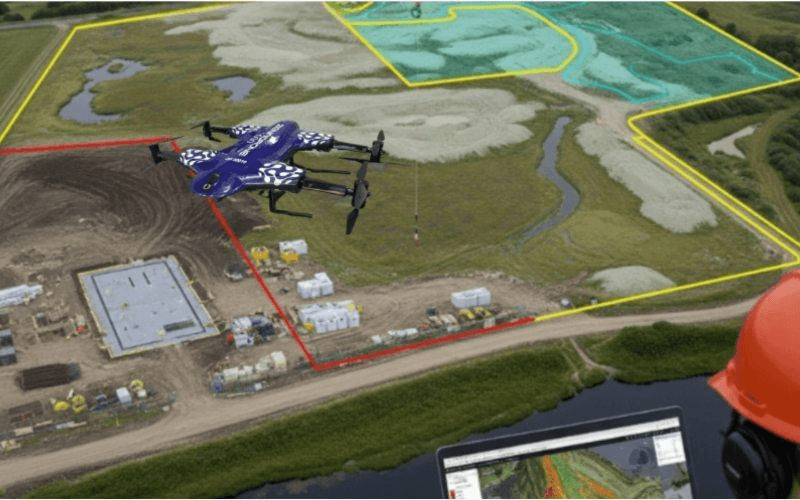
A drone ALTA survey is revolutionizing the way ALTA land surveys are conducted. The combination of drone land surveying and UAV land survey capabilities with advanced drone survey technology enables us to produce highly accurate, detailed surveys at a faster rate than traditional surveying methods. Drones enable commercial property assessment through high-resolution imaging and GIS field mapping capabilities, which improve operational efficiency for both standard and complex property types.
Why Drone Technology Is Transforming ALTA Surveys
Traditional ALTA surveys need substantial fieldwork because their process requires multiple hours of work by multiple workers. A drone ALTA survey uses UAVs to obtain aerial data, which the system processes with high speed, precise accuracy, and operational safety. With drone mapping for the ALTA survey, surveyors can gather comprehensive information without physically accessing every part of a property, making large or difficult-to-reach areas manageable.
High-Resolution Aerial Data Collection
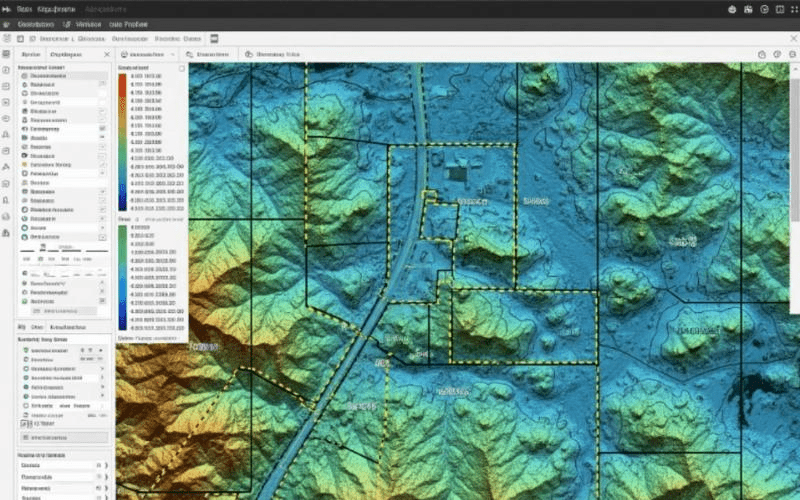
The ALTA survey uses drones equipped with high-resolution cameras and photogrammetry technology to capture accurate overhead images of the property. The surveyors use this technology to view all boundaries and structures and features of the property, which enables them to generate precise measurements that title companies and lenders and developers can use.
RTK & GPS-Enhanced Accuracy for Boundary Validation
Drones use RTK GPS technology to achieve centimeter-level accuracy during ALTA surveys. This method enables property boundary verification to proceed faster and verify results with greater accuracy than traditional measurement methods.
Faster Fieldwork, Reduced Project Timelines
Drones enable one flight to obtain information that normally requires survey teams to work for multiple days on a project. Aerial ALTA surveys complete projects faster while maintaining ALTA/NSPS requirements, which help clients work together with lenders, title insurers, and real estate attorneys.
Improved Safety and Accessibility
Surveying challenging terrain, steep slopes, and environmentally sensitive areas can be risky. An ALTA drone survey allows for full UAV land survey coverage without putting personnel at risk, which enhances safety while providing better access to all types of properties.
Integration With ALTA/NSPS Standards
The data from drone surveys can be processed to meet ALTA survey standards. The combination of drone mapping for ALTA surveys with traditional survey methods produces a final deliverable that meets all legal requirements for ALTA survey standards.
Cost Efficiency for Large & Complex Properties
Aerial surveys through drone ALTA methodology provide cost savings for commercial sites that have extensive areas and complicated site designs. The company achieves total cost reductions through efficient data collection methods that maintain both measurement precision and regulatory compliance.
Who Needs an ALTA Survey, and When Should It Be Ordered?
Understanding who needs an ALTA survey is crucial for ensuring smooth commercial real estate transactions. Whether you are a commercial buyer, real estate developer, lender, title company, or property investor, an ALTA survey provides the detailed information necessary for due diligence, financing, and legal compliance. Ordering it at the right time can save money, prevent delays, and reduce risk throughout the transaction process.
Buyers vs. Lenders vs. Developers
Buyers and investors and lenders and developers use ALTA surveys to obtain precise information about their properties. The surveys confirm property boundaries, easements, and improvements; they also verify collateral, ensure zoning compliance, and identify potential construction problems.
In each case, knowing who an ALTA needs survey ensures that all stakeholders have accurate, legally defensible information.
New Purchase vs. Refinancing
ALTA surveys aren’t just for new purchases. They are often needed for refinancing as well. Lenders or title companies may require updated information on boundaries, easements, or encroachments. For new buys, surveys happen early in due diligence, and for refinancing, they are done before closing to keep everything on track.
Early Ordering Saves Money
Ordering an ALTA survey early in the transaction helps identify issues such as boundary disputes, easements, or missing access points before the deal progresses. This reduces costly revisions, rushed fieldwork, or delays during the closing phase.
For commercial buyers, property investors, and developers, early ordering ensures the financing process runs smoothly and that title companies can issue insurance without unexpected exceptions.
What Is the Difference Between an ALTA Survey and a Boundary Survey?
Anyone who handles commercial property transactions or complex land purchases needs to understand ALTA surveys vs. boundary surveys. The two land survey types have different functions because they adhere to separate surveying standards and they produce distinct results. The survey differences help to identify suitable surveys for different types of projects, which include residential properties and commercial developments and situations that require title insurance.
Scope Comparison
The primary goal of a standard boundary survey is to find property boundary lines and corner points and property dimensions. An ALTA survey combines all elements of a boundary survey with additional features, which include easements and rights-of-way and access points and improvements that follow Table A items.
The boundary survey comparison shows that an ALTA survey provides more detailed information, which makes it appropriate for commercial areas, while residential areas require different survey methods that handle lower legal and financial responsibilities.
Legal and Financial Differences
A boundary survey provides enough information to complete personal and residential property transactions yet does not fulfill the requirements of lenders and title insurance companies.
The ALTA survey delivers specific title survey requirements and boundary survey functions for commercial financing purposes, enabling lenders and buyers and title companies to obtain legal protection.
When a Boundary Survey Is Insufficient
A boundary survey may be insufficient:
- When title insurance is required for a commercial property
- When easements, encroachments, or zoning issues may affect use
- When lenders need proof of access, utilities, and improvements
Why Lenders Prefer ALTA Surveys
Lenders like ALTA surveys because they lower risk. They give a clear, certified snapshot of the property that meets nationwide standards and provide exactly what lenders need to approve financing with confidence.
Cost and Detail Comparison
A boundary survey is usually cheaper and quicker than an ALTA survey. But the choice is not just about cost. ALTA surveys provide more detailed, stronger legal protection and meet lender and title company requirements.
In simple terms, boundary surveys work well for many residential properties, while ALTA surveys are the gold standard for commercial transactions, giving everyone clear, reliable, and defensible information.
How Do You Choose the Right Surveyor for an ALTA Survey?
Select an appropriate ALTA surveyor because it ensures that the ALTA land survey will meet all required legal, technical, and financial standards. A qualified licensed land surveyor or commercial surveyor can provide accurate, reliable results, reduce risk, and ensure compliance with ALTA/NSPS standards. The process of selecting the correct professional requires examination of their credentials and work experience and ability to interact with others.
Licensing and Credentials
An ALTA surveyor must hold a valid license from the state licensing board. The surveyor must demonstrate her/his qualifications through valid surveyor certification and professional registration. A professional land surveyor with recognized credentials ensures the survey will be legally defensible and meet ALTA survey requirements.
Experience with ALTA/NSPS Standards
Experience matters when it comes to ALTA surveys. The ALTA survey company or surveyor who knows ALTA and NSPS standards, which govern commercial property transactions, needs to understand Table A requirements and all title company documentation standards. The survey results will achieve technical compliance and legal compliance through this experience.
Communication with Title Companies
The proper ALTA surveyor maintains active communication with title companies and lenders and all other parties involved in the project. The survey team needs to work together with the project team because this collaboration helps them meet all ALTA survey checklist requirements while completing the project on schedule and meeting underwriting standards.
Red Flags to Watch Out For
- Not a licensed or certified land surveyor
- Little to no experience with ALTA or commercial surveys
- Unclear deliverables or no ALTA checklist
- Poor communication with title companies or lenders
Avoiding these signs helps ensure you get a reliable ALTA survey that keeps your commercial deal moving smoothly.
What Are Common ALTA Survey Issues, and How Are They Resolved?
The ALTA survey issues can emerge at any point during a commercial property deal, which leads to possible delays in closing and results in legal problems. The problems typically involve survey errors and encroachments and boundary disputes and title defects. The buyers and lenders and developers and title companies need to understand the problems and their solutions to achieve successful transactions.
Common Survey Problems
- Survey measurements do not match recorded deeds or plats.
- Buildings, fences, or structures cross property lines.
- Neighbors dispute the exact property boundaries.
- Recorded title issues affect ownership or title insurance
- Actual property use conflicts with easements or zoning rules
These problems can impact both legal clarity and physical boundaries, so addressing them early is essential.
How Discrepancies Affect Closing
Unresolved survey discrepancies or boundary disputes can delay or even halt a closing. Title companies may refuse to issue insurance while lenders withhold financing and buyers encounter unexpected liabilities. The failure to address minor issues immediately will result in detrimental effects on project schedules and costs and increase legal risk.
Resolution Steps
- A licensed surveyor measures boundaries and corrects discrepancies.
- Title companies update records or issue endorsements to cover known issues.
- Property owners negotiate legal agreements such as boundary or easement adjustments.
- Property use is aligned with zoning laws and easement requirements.
Resolving these issues early protects everyone involved, keeps the deal on track, and reduces future legal or financial risk.
FAQ About ALTA surveys
Can drones speed up ALTA surveys?
Yes, drones can quickly capture detailed property data, speeding up the survey process.
Are drone ALTA surveys ALTA/NSPS compliant?
Yes, when done under licensed surveyor supervision, drone surveys can meet ALTA/NSPS standards.
How accurate are drones for ALTA surveys?
Drones are highly accurate, often within a few centimeters, especially when combined with GPS and ground control points.
Which properties benefit most from drone surveys?
Large, complex, or hard-to-access commercial properties gain the most from drone surveys.
Do drones reduce ALTA survey costs?
Yes, drones can lower costs by reducing field time and manpower while capturing precise data.
Are drone surveys safe for large sites?
Yes, drones minimize risks for survey teams by covering large or hazardous areas remotely.
Can drone data support licensed surveyors?
Absolutely, drone data provides surveyors with accurate visuals and measurements to finalize reports.
Is LiDAR or photogrammetry used in ALTA surveys?
Yes, both LiDAR and photogrammetry are used to create precise 3D maps and detailed property models.
Contact Us
Thank you for your message. It has been sent.